Retinal detachment is a potentially sight-threatening separation of the retina from its normal position. Symptoms need urgent local assessment; travel coordination must not delay care.
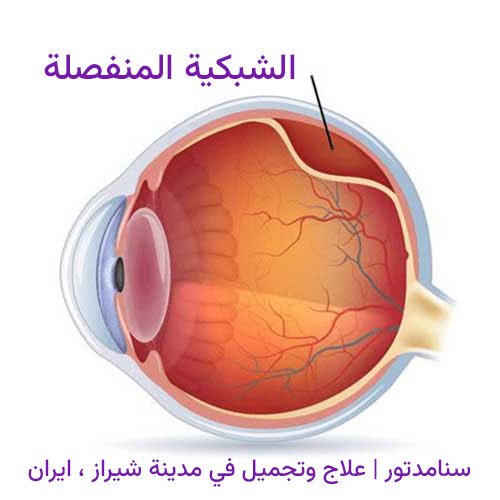
Key points
- New flashes, many new floaters or a curtain-like shadow are urgent warning signs.
- Seek an eye doctor or emergency department promptly.
- The type and extent of detachment determine the treatment.
- Ask about positioning, gas or silicone oil, travel and follow-up.
On this page
Recognising the warning signs
A sudden increase in floaters, flashes or a dark curtain across vision can indicate retinal detachment. Prompt assessment can help protect vision.[1]
How the eye is assessed
The ophthalmologist examines the retina, often with dilation. Imaging may be needed. The assessment identifies the type and extent of detachment and helps determine whether laser, surgery or another approach is required.
Treatment and visual outcome
Different operations may be used, including vitrectomy or a scleral buckle in selected cases. Gas or silicone oil may be part of the plan. Reattaching the retina and the degree of visual recovery are separate outcomes; a return to previous vision cannot be guaranteed.
Gas, silicone oil and travel
Ask the surgeon exactly what was placed in the eye and obtain the associated restrictions in writing. In particular, an eye containing an intraocular gas bubble requires specific restrictions on flying, altitude and certain anaesthetics. Do not fly until the eye team has expressly cleared it.[2]
Aftercare and further treatment
Follow the individual positioning, drop and review instructions. Report worsening pain, reduced vision or unexpected symptoms promptly. Silicone-oil removal, if used, is an individual decision and is not scheduled solely by a fixed online timeline.
Planning your visit to Shiraz
Ask about the appropriate specialty, appointment details and practical services you need. Your treating clinician confirms the diagnosis, suitability, treatment and follow-up after assessment.
Sources
[1] National Eye Institute: Retinal detachment · ↑ Back to text
Editorial update: 25 October 2026. This guide supports discussion and planning; follow the treating team’s individual instructions.
[2] American Academy of Ophthalmology: Flying after eye surgery · ↑ Back to text