Understand cleft lip & cleft palate repair surgery, the options to discuss with a qualified clinician and what to confirm before planning a visit to Shiraz.
Key points
- Discuss your individual suitability, alternatives and risks with the treating clinician.
- Ask for written preparation and recovery instructions, including your medicines and follow-up.
- Confirm the healthcare facility, full costs and arrangements before booking travel.
On this page
Having Experienced a Failed Plastic Surgery,
Pakistani Girl Chooses Iran for a Perfect Revision
Swiss Patient Trusts Iran for
His Cosmetic Surgery Among All Destinations
A Smooth Medical Trip to Iran
for an Amazing Transformation
Australian Lady Saves Money Having
Successful Plastic Surgeries in Iran
Croatian Girl’s Careful Research Led Her
to Iran for an Amazing Plastic Surgery
A Medical Trip to Iran Is Worth It as You Enjoy
Both Great Surgery Results and Low Prices
Haven’t decided yet? Let us help you, it’s free
Oral clefting including lip and palate clefts is a prevalent congenital deformity in newborns. It shall be addressed within the first year after the baby is born. Otherwise, it will interfere with the speaking ability of the children and their social life will be affected either.
The affected individuals will later need to undergo secondary surgery. This is because the person’s lip appearance is not well enhanced through the initial surgery.
The rate of prevalence of this condition in Iran is high, almost as high as it is among American and European countries, based on various studies. As the medical tourism hub of the middle east, the country has excelled in offering affordable yet effective cleft lip and cleft palate repair surgery in recent years.
To see whether this country is a suitable option for you to get your cleft lip and palate surgery done in, follow this clue as we are going to give you some good reasons and information in this respect. But before anything else, let us learn more about the treatment itself.
What Is Cleft Lip/Palate?
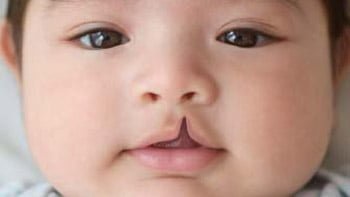
Cleft lip and palate, also known as orofacial clefts, refer to a condition in which an opening forms in the upper lip or palate. The opening may extend to reach the nose (complete cleft lip). The infant may have either a cleft lip or cleft palate or may be born with both. The cleft may only be on one side of the lip (unilateral) or on both sides of the lip (bilateral).
Cleft lip forms between the fourth and seventh weeks of pregnancy. It happens if the tissue that makes up the lip does not join completely before birth, and this causes a split or opening in the upper lip.
Cleft palate happens between the sixth and ninth weeks of pregnancy. It happens if the tissue that makes up the mouth does not join together completely. It is noted that a high number of patients with a cleft palate may suffer from cardiac, limb, or other system defects.
A cleft can be quite visible, and it usually leads to behavioral and social problems. It also causes a multitude of medical problems, including speech production, eating, breathing, hearing loss, maxillofacial growth, and dentition.
What Is Cleft Lip/Palate Repair?
There are two surgical treatments for the correction of the clefts: cleft lip repair or cheiloplasty and cleft palate repair or palatoplasty.
In both surgeries, the opening in your upper lip or roof of your mouth is closed to restore the function and appearance of your lip and palate.
First, Effective Cleft Lip/Palate Surgery
The number of plastic surgeries including cleft lip and palate repair in Iran is high as the beauty craze has made its way through the young population. This has contributed to increasing the quality of such surgeries in the country.
The country has achieved significant progress in treating oral clefts in recent decades. If it hadn’t been for the great expertise of the Iranian surgeons, this achievement wouldn’t have been possible.
Fourth, Treatment without Delay
You can get your surgery done in this country without it being postponed to a later time, as there is no waiting list involved.
Cleft Lip Repair
A cleft lip is the most common defect among patients with oral clefts. The cleft lip should be repaired most ideally within the 3rd – 6th month of life. However, it may need one or two surgeries later.
The surgery starts with general anesthesia administration. The surgeon makes delicate incisions on the sides of the opening area. The remained tissue and muscle are pulled down. The skin is then stitched so that the cleft is closed.
Cleft Palate Repair
A cleft palate should be corrected most ideally within the 12th-14th month of life. There are two ways for cleft palate treatment:
- Plastic surgery, and
- Covering the cleft palate by a palatal obturator (a prosthetic device made to fit the roof of the mouth covering the gap).
Through the plastic surgery, the surgeon connects the muscles of the soft palate and rearranges the tissues to close the cleft, creating a palate that works well for speech.
The individuals with a cleft palate may also need a bone graft at the age of 8 to fill the upper gum.
Revision Surgery
Revision surgery refers to the second/third procedures which may be required during adulthood.
For a repaired palate, the revision surgery can be done to serve various purposes. They include eliminating the speech problems (through z-plasty or pharyngeal flap), correcting jaws, or providing enough bone for your teeth (through bone graft).
Furthermore, rhinoplasty or scar revision surgery can be done if the patient’s nose shape needs improvement or there are scar marks left from the previous surgeries.
Recovery after Cleft Repair Surgery
In general, the stitches are absorbable and the patients are not required to visit their doctor to remove them. A bandage may be put on the surgical area for a few days following the operation.
During recovery, the patient should follow the doctor’s instruction. The surgical site must be kept clean. Also, your child is not allowed to put their fingers or hard objects in their mouth for a few weeks if they undergo a palate repair surgery.
A practical point for your care
Before an operation, the pre-assessment team should review your health, previous tests and all medicines and supplements. Ask for written instructions on medicines, eating, drinking and aftercare that apply to your planned procedure.[1]
Planning treatment in Shiraz
Ask SanaMedTour about the appropriate specialty, appointment arrangements and practical support for your visit. The treating clinician confirms the diagnosis, treatment options, suitability and follow-up after assessment.
Request an itemised written quote identifying the clinician, facility, tests, treatment, medicines, reviews and any accommodation or transfers included.
Sources
[1] NHS: Preparing for surgery — supports the individual-care planning note above. ↑ Back to text
Editorial adaptation: 25 October 2026. General information for planning and discussion; your clinician’s individual instructions take priority.