Understand aortic aneurysm surgery, the options to discuss with a qualified clinician and what to confirm before planning a visit to Shiraz.
Key points
- Discuss your individual suitability, alternatives and risks with the treating clinician.
- Ask for written preparation and recovery instructions, including your medicines and follow-up.
- Confirm the healthcare facility, full costs and arrangements before booking travel.
On this page
An aortic aneurysm can occur without showing any signs; when the symptoms do show up, it could be too late. If you or someone you love is diagnosed with an aortic aneurysm, the most critical step is to act quickly. However, sometimes patients fail to go under the knife; because in their hometown, proficient surgeons are scarce, the aortic aneurysm surgery is too expensive, or there is a long waiting list they have to be put on. If aneurysm surgery can put an end to the lifelong risk of aneurysm rupture, why should other things hold you back? In Iran, you can experience high-quality care at decent prices and without waiting lists. Read on to learn more.
Having Experienced a Failed Plastic Surgery,
Pakistani Girl Chooses Iran for a Perfect Revision
A Smooth Medical Trip to Iran
for an Amazing Transformation
Swiss Patient Trusts Iran for
His Cosmetic Surgery Among All Destinations
Australian Lady Saves Money Having
Successful Plastic Surgeries in Iran
Croatian Girl’s Careful Research Led Her
to Iran for an Amazing Plastic Surgery
A Medical Trip to Iran Is Worth It as You Enjoy
Both Great Surgery Results and Low Prices
Haven’t decided yet? Let us help you, it’s free
Aortic aneurysm surgery is an operation to repair or replace the section of the artery that is bulging out. An aneurysm can occur when the inner walls of the artery are weakened and the blood flow presses on the artery’s wall. The abnormal bulge that is developed as a result of this condition could rupture and lead to life-threatening conditions. An aneurysm can affect the blood vessels in any part of the body. The most common type of aneurysm is aortic aneurysm that occurs in the aorta, our body’s largest blood vessel. The surgery to resolve this condition is known as aortic aneurysm surgery.
What to expect for aortic aneurysm surgery in Iran
- Once your plane lands in Iran, you will meet with your interpreter. They will help you get to the hotel or go sightseeing in the city. They will also accompany you during your appointment with the doctor and on the day of surgery in the hospital.
How is aortic aneurysm surgery performed?
When the aneurysm reaches a considerably dangerous size and it is growing too fast, your healthcare team will recommend surgery. However, not all surgical procedures to repair aneurysm are performed on an emergency basis. Many cardiologists might recommend elective surgery to prevent aneurysm rupture or dissection.
There are two types of aortic aneurysms: thoracic aortic aneurysm and abdominal aortic aneurysm or AAA. The former aortic aneurysm is located in the chest area and in most cases, the surgeon will try to repair it using open-chest surgery. The most common type of aortic aneurysm is the abdominal aortic aneurysm. The surgery to repair an abdominal aortic aneurysm usually involves the endovascular technique.
Types of aortic aneurysm Surgery
There are two main approaches to aortic aneurysm surgery. Based on the size and location of the aneurysm, the surgeon chooses a technique to operate on the blood vessel.
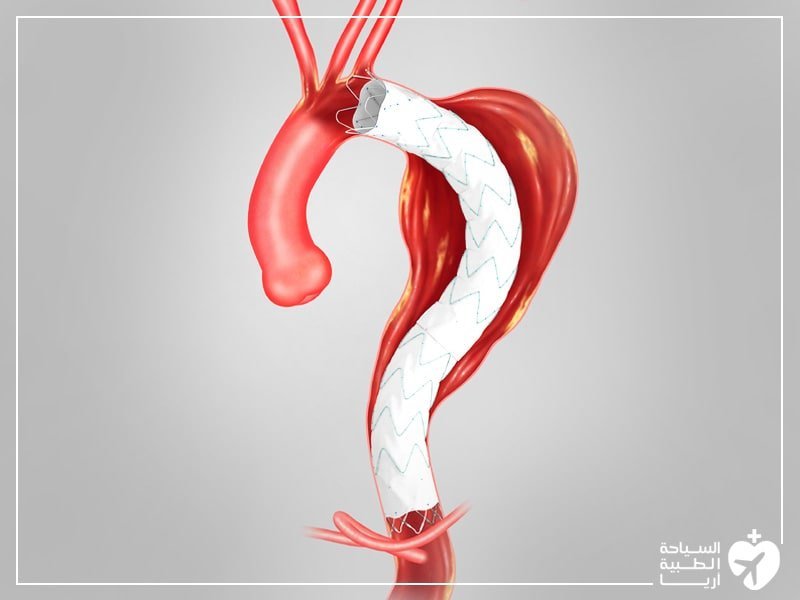
Endovascular surgery: Endovascular Aortic Repair surgery or EVAR is a less invasive alternative to traditional open surgery. It involves making small incisions on the groins. The surgeon uses these incisions to thread a catheter into the aorta. This catheter carries a certain stent that will be left at the location of the aneurysm. As a result, blood flow cannot put additional pressure on the weak aortic walls or increase the swelling. Based on the location of the bulge in the aorta, the surgeon might use a stent graft or fenestration. You might need to spend one or more days at the hospital after the procedure.
Endovascular aortic repair is a less invasive alternative to traditional open surgery for treating an aneurysm.
Aortic aneurysm surgery recovery and aftercare
Activity: Avoid doing strenuous activities including jogging, bicycle riding, heavy lifting, and other exercises that could put pressure on your incision. Also, you shouldn’t lift heavy things like a baby, vacuum cleaner, or shopping bags. Follow your doctor’s instructions about performing certain exercises that could boost healing.
- Note: Ask your doctor when you can take a bath. Usually, taking showers is okay if you pat dry the incision.
- Your medication regimen will probably change after the surgery. Your doctor will prescribe medication some of which you might have to take for the rest of your life. It is important to take medications exactly as instructed by your doctor.
Aortic aneurysm surgery risks and complications
Tiredness, loss of appetite, pain in the area of the incision, and weight loss are some common side effects of aneurysm surgery. Aside from the side effects, you should keep an eye on the precautions the surgeon suggests to prevent possible risks and complications.
- Heart-related problems
- Lung or urinary infection
- Swelling
- Hernia
To lower the risk of such complications, the specialist will take the patient’s current general health into account. When the patient is too old or has a significant health problem, the less invasive approach will be recommended.
- Blood leaking around the graft
- Ruptured graft
- Stent breaking or disposition
- Infection
A practical point for your care
Before an operation, the pre-assessment team should review your health, previous tests and all medicines and supplements. Ask for written instructions on medicines, eating, drinking and aftercare that apply to your planned procedure.[1]
Planning treatment in Shiraz
Ask SanaMedTour about the appropriate specialty, appointment arrangements and practical support for your visit. The treating clinician confirms the diagnosis, treatment options, suitability and follow-up after assessment.
Request an itemised written quote identifying the clinician, facility, tests, treatment, medicines, reviews and any accommodation or transfers included.
Sources
[1] NHS: Preparing for surgery — supports the individual-care planning note above. ↑ Back to text
Editorial adaptation: 25 October 2026. General information for planning and discussion; your clinician’s individual instructions take priority.