Understand artificial eye surgery, the options to discuss with a qualified clinician and what to confirm before planning a visit to Shiraz.
Key points
- Discuss your individual suitability, alternatives and risks with the treating clinician.
- Ask for written preparation and recovery instructions, including your medicines and follow-up.
- Confirm the healthcare facility, full costs and arrangements before booking travel.
On this page
- What is an artificial eye?
- Flush Fitting Scleral Shell
- When is an artificial eye needed?
- How is artificial eye surgery procedure performed?
- Artificial eye surgery in Iran: What to expect?
- Eye prosthesis surgery recovery and aftercare
- A practical point for your care
- Planning treatment in Shiraz
- Sources
Why choosing Iran for eye care?
Strabismus surgery experience
From Iraq with love: A mother’s tale
of her son’s eye surgery in Iran
Haven’t decided yet? Let us help you, it’s free
What is an artificial eye?
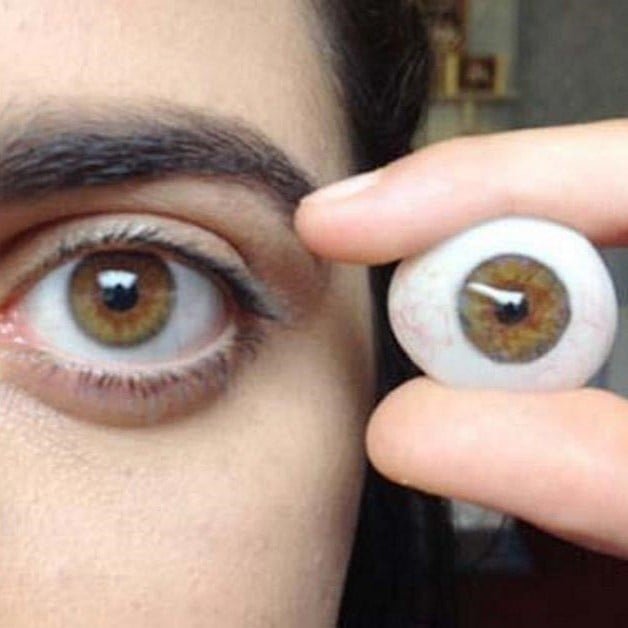
A prosthetic eye or ocular prosthesis, commonly known as artificial eye or glass eye, is designed to balance the overall facial appearance after an eye removal surgery. Although these eye replacements are unable to restore vision, they can provide an enhanced appearance and ease of eyelid movement after the eye removal. Once the artificial eye is fitted, most patients say that it is impossible for people to tell the difference between the artificial eye and a natural eye.
Flush Fitting Scleral Shell
Sometimes, blemished or disfigured eyes are not serious enough to require eyeball removal. A scleral shell is a non-invasive and easy solution for restoring the eye’s appearance and enhancing the eyelid function without taking away anything from behind the eyelid.
Compared to the regular ocular prosthesis, these artificial eyes eliminate the need for undergoing eye removal surgery and putting up with the two-month recovery.
As the name suggests, flush fitting scleral shells can be easily fitted on the nonfunctioning eye. It only takes an artificial eye specialist (ocularist) about two to three sessions to fit your customized prosthetic eye. In the first visit, the ocularist will take an impression of your eye and in a couple of days, your natural scleral shell is ready to be fitted. In other words, it takes a few days from the time you have your first appointment with an ocularist until you have your natural appearance restored
Scleral shells sound like a perfect choice, but not everyone is a good candidate. People with severely damaged eye or those with eye cancer cannot receive an artificial eye without having their eyes surgically removed first.
When is an artificial eye needed?
An eye prosthesis might substitute the natural eye when the patient complains about pain, having difficulty living with disfigured eyes or is diagnosed with life-threatening conditions relating to the eye. Everyone can be a candidate for a prosthetic eye, regardless of their age, gender, or background. In some cases, scleral shells can be utilized without surgery. But mostly, the nonfunctioning eye should be removed through surgery before fitting the ocular prosthesis.
The thought of having one’s eye gouged out could be drastic, but a prosthetic eye can certainly contribute to permanent relief from pain and an easier life with vision loss. The following conditions typically require eye removal surgery before artificial eye fitting.
- Blind, painful eye: Ocular diseases might cause intolerable pain in the blind eye. Several treatments can help alleviate the symptoms. According to this study, surgical methods to remove an eye (such as enucleation or evisceration) have proved to be effective in putting an end to the pain.
- Trauma: Ocular trauma is an emergency condition and the second cause of blindness after cataract. Some injuries such as ocular bleeding, orbital blowout fracture, or globe rupture are more likely to lead to vision impairment. In severe cases, the ophthalmologist may have to remove the eye entirely in order to replace it with an artificial eye.
- Eye cancer: Eye cancer or ocular melanoma should be addressed as fast as possible. If left untreated, this type of cancer may not only damage the vision but also spread to other areas in the body. Although radiation therapy is the most frequently performed treatment, surgery can provide better results in some cases. There are various types of surgical techniques that can be selected based on the characteristics of the tumor and how far it has spread.
- End-stage diabetes or glaucoma: Conditions such as diabetes or glaucoma have the potential to result in severe vision loss or blindness. This can also increase the chances of unbearable pain and discomfort in the eye. In such cases, the ophthalmologist might recommend surgery.
How is artificial eye surgery procedure performed?
To get artificial eyes, you need to first undergo eye removal surgery. Various techniques can be used during the procedure depending on the patient’s condition and the reason for surgery. Regardless of the method used, eye removal surgery generally involves inserting a porous implant in place of the eye and a transparent shell called a conformer behind the eyelid. A brief description of the main eye removal techniques is as follows:
- Evisceration: In this technique, the surgeon removes some of the ocular parts while leaving the sclera (the white section of the eyeball) intact. This is the least invasive method to remove the eye and usually takes much less time. However, not everyone is a candidate for evisceration. The procedure is not recommended for treating severely damaged eyes or eye cancer.
- Enucleation: This method involves removing the entire eyeball including the sclera leaving the rest of the ocular tissue intact. Enucleation is the most common technique of eye removal and can provide satisfactory results for patients with eye cancer. Although the surgery might take more time, there is less pain and swelling following the operation.
Artificial eye surgery in Iran: What to expect?
In Iran, not only can you trust the expertise of the specialists, but also benefit from the exceedingly low cost of surgery and cheap artificial eye. With affordable prices and proficient specialists, it is a wise choice to get an ocular prosthesis in this country.
- First visit for surgical eye removal
During the eye removal surgery, either general anesthesia or local sedation is administrated. Then, the surgeon removes the ocular components using either evisceration or enucleation technique. Once the required parts are removed. The surgeon will insert a marble-like implant into the eye socket, attaching it to the surrounding muscles. The implant will help maintain the shape of the eye. Next, a transplant plastic called a conformer will be put behind the eyelids where the final artificial eye will be placed at a later date. Normally, the eyelid is shut using stitches to help the wound heal.
- Second visit to receive the artificial eye
On your next visit to the ocularist, he or she will help you fit the prosthetic eye. You might also be given instruction about how to care for the prosthesis.
Eye prosthesis surgery recovery and aftercare
As mentioned earlier, the surgical procedure to remove the eye can be performed using different techniques. Consequently, the course of recovery can vary depending on each individual’s case and the type of surgery.
Within a week, you will have a follow-up appointment with the ophthalmologist. He or she will remove the bandage and make sure everything is okay. After the bandage is removed, it is normal to see some tear discharge that could also include blood.
Typically, patients might feel moderate pain following the surgery. This is, in large part, due to the fact that the muscles and tissues that used to hold the eye are now sore and inflamed. The discomfort can be managed using painkillers prescribed by the doctor.
Upon returning to your home, you should continue following the instructions and guidelines given by your surgeon. Generally, you are told to keep the following tips in mind:
Once you have the artificially eye fitted, you can leave them in until the next ophthalmologist appointment or take them out from time to time. The important thing about taking care of an artificial eye is having the prosthesis polished by an ocularist every year. This will help prevent scratches and maintain the natural appearance of the fake eye. Polishing a prosthetic eye can also prevent infection.
A practical point for your care
Before an operation, the pre-assessment team should review your health, previous tests and all medicines and supplements. Ask for written instructions on medicines, eating, drinking and aftercare that apply to your planned procedure.[1]
Planning treatment in Shiraz
Ask SanaMedTour about the appropriate specialty, appointment arrangements and practical support for your visit. The treating clinician confirms the diagnosis, treatment options, suitability and follow-up after assessment.
Request an itemised written quote identifying the clinician, facility, tests, treatment, medicines, reviews and any accommodation or transfers included.
Sources
[1] NHS: Preparing for surgery — supports the individual-care planning note above. ↑ Back to text
Editorial adaptation: 25 October 2026. General information for planning and discussion; your clinician’s individual instructions take priority.