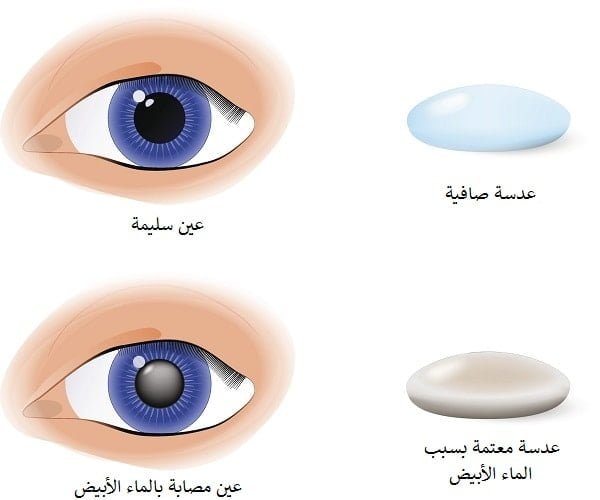
A cataract is clouding of the eye’s natural lens. Surgery removes the cloudy lens and replaces it with an artificial intraocular lens when the expected benefit justifies the procedure.
Key points
- Discuss how the cataract affects daily life and the expected benefit.
- Review other eye conditions and the lens options.
- Confirm medicines and preparation with the eye team.
- Plan drops, protection, follow-up and transport.
On this page
When is surgery considered?
The decision considers how vision affects your daily activities, other eye disease and the risks and benefits for your eye. An examination may also show another cause for reduced vision. Cataract surgery does not treat every source of visual loss.[1]
Choosing an intraocular lens
Measurements help the surgeon select a lens power. Discuss your distance and near-vision priorities, astigmatism, possible glare and whether glasses may still be needed. Premium or specialist lenses are not suitable for every eye.
What happens around surgery?
Ask the clinic to explain the anaesthetic, procedure, discharge arrangements and whether the eyes will be treated on separate dates. Bring a full medicine list and follow the team’s individual preparation instructions. Arrange someone to accompany you afterwards.
Recovery and warning signs
The eye team provides a drop schedule, protection advice and review appointments. Seek prompt clinical advice for worsening pain, a sudden drop in vision or other unexpected symptoms. Use the emergency contact supplied by the treating facility.
What to include in your quote
Confirm the lens model, tests, clinician and facility fees, medicines, reviews and any separately charged treatment for other eye conditions. Ask when travel is appropriate for your recovery.
Planning your visit to Shiraz
Ask about the appropriate specialty, appointment details and practical services you need. Your treating clinician confirms the diagnosis, suitability, treatment and follow-up after assessment.
Sources
[1] National Eye Institute: Cataract surgery · ↑ Back to text
Editorial update: 25 October 2026. This guide supports discussion and planning; follow the treating team’s individual instructions.