Understand chalazion treatment, the options to discuss with a qualified clinician and what to confirm before planning a visit to Shiraz.
Key points
- Discuss your individual suitability, alternatives and risks with the treating clinician.
- Ask for written preparation and recovery instructions, including your medicines and follow-up.
- Confirm the healthcare facility, full costs and arrangements before booking travel.
On this page
Why choosing Iran for eye care?
Strabismus surgery experience
From Iraq with love: A mother’s tale
of her son’s eye surgery in Iran
Haven’t decided yet? Let us help you, it’s free
How to Prepare for Chalazion Surgery in Iran
Chalazion removal is not considered a major surgery and is performed on an outpatient basis in most cases. Yet, being fully prepared for the procedure is vital, especially considering the fact that you might prefer to have it done far away from home, in Iran.
As with any kind of surgical procedure, the most important step during pre-op preparation is a consultation with an expert. During the consultation session, you should inform the specialist about the medications you are currently taking. You should also mention any health conditions that you may have.
What is a chalazion?
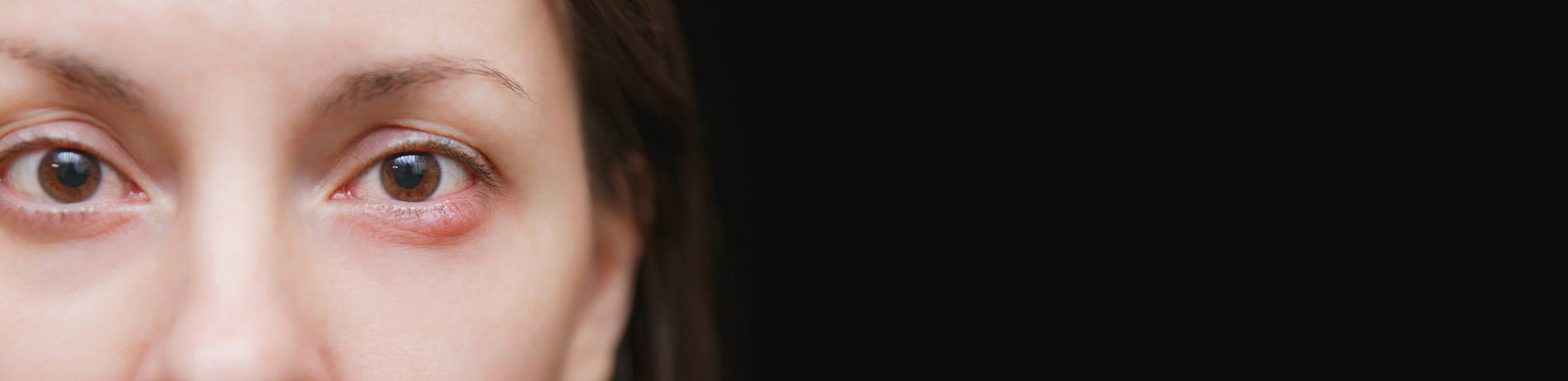
A chalazion is a large, red bump that isn’t painful and usually appears on the upper eyelid where many oil glands exist. The condition occurs when the oil gland on the inner side of the eyelid is clogged. Chalazia are similar to cysts and are usually non-infectious. But if left untreated, they are likely to lead to eyelid droopiness (ptosis) and vision interference.
Differences between chalazion and stye
A stye (hordeolum) is a small and tender lump that appears near the eyelash. It is a sign of an infection in the eyelash follicle and can contain an amount of puss. Treatments involve breaking the bump open and draining the infection. Many use the terms “stye” and “chalazion” interchangeably. In fact, while both conditions appear as hard spheres on the eyelid, they are two different lesions with diverse symptoms. Here is how to tell the difference:
If left untreated, a hordeolum can lean to more serious infections like an abscess which is a swollen mass on the skin filled with pus.
Chalazion surgery aftercare and recovery
- Touching or rubbing the area
- Wearing contact lenses
- Getting your eyes wet
- Wearing eye makeup
You can fly back home in a day after the chalazion removal surgery. But we highly recommend discussing your traveling plans with your doctor for a more precise opinion.
Chalazion surgery risks and complications
As a low-risk procedure, there are minimal risks and complications associated with chalazion removal surgery. Yet, it is important to educate yourself when it comes to the potential risks of any surgery. There is a slight chance that your tear glands may be damaged during chalazion surgery. The surgery might also lead to bruising, bleeding, or infection. There are also complications associated with anesthesia like minor nausea or sore throat. It is recommended that you discuss the anesthesia and whether you might be allergic to it with our healthcare specialists.
A practical point for your care
Before an operation, the pre-assessment team should review your health, previous tests and all medicines and supplements. Ask for written instructions on medicines, eating, drinking and aftercare that apply to your planned procedure.[1]
Planning treatment in Shiraz
Ask SanaMedTour about the appropriate specialty, appointment arrangements and practical support for your visit. The treating clinician confirms the diagnosis, treatment options, suitability and follow-up after assessment.
Request an itemised written quote identifying the clinician, facility, tests, treatment, medicines, reviews and any accommodation or transfers included.
Sources
[1] NHS: Preparing for surgery — supports the individual-care planning note above. ↑ Back to text
Editorial adaptation: 25 October 2026. General information for planning and discussion; your clinician’s individual instructions take priority.