Understand prostatectomy, the options to discuss with a qualified clinician and what to confirm before planning a visit to Shiraz.
Key points
- Discuss your individual suitability, alternatives and risks with the treating clinician.
- Ask for written preparation and recovery instructions, including your medicines and follow-up.
- Confirm the healthcare facility, full costs and arrangements before booking travel.
On this page
- Causes of prostate surgery
- Prostatectomy surgery types
- Open prostatectomy
- Laparoscopic Prostatectomy
- Prostate surgery da Vinci method
- Prostate surgery by laser
- Prostatectomy surgery steps
- How to prepare for prostatectomy?
- What to expect after prostatectomy surgery?
- Prostate surgery pain
- Abdominal drain after prostatectomy surgery
- Prostate surgery diet
- Prostatectomy surgery recovery
- Prostate surgery pros and cons
- Prostate surgery advantages
- Prostate surgery disadvantages
- Prostate surgery for elderly patients
- Prostatectomy surgery complications and side effects
- A practical point for your care
- Planning treatment in Shiraz
- Sources
If you suffer from enlarged prostate or prostate cancer then prostatectomy might be one of your possible relieving or even lifesaving treatments.
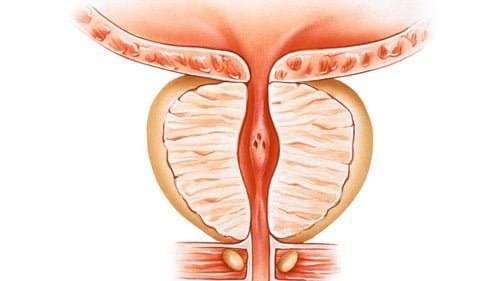
The prostate is a small gland located in the pelvis between the penis and the bladder in front of the rectum. The prostate produces important fluid for nourishing and protecting the sperm. In some cases, the patients may suffer from conditions that force them to remove the prostate gland. Here comes the importance of prostatectomy surgery.
Having Experienced a Failed Plastic Surgery,
Pakistani Girl Chooses Iran for a Perfect Revision
A Smooth Medical Trip to Iran
for an Amazing Transformation
Swiss Patient Trusts Iran for
His Cosmetic Surgery Among All Destinations
Australian Lady Saves Money Having
Successful Plastic Surgeries in Iran
Croatian Girl’s Careful Research Led Her
to Iran for an Amazing Plastic Surgery
A Medical Trip to Iran Is Worth It as You Enjoy
Both Great Surgery Results and Low Prices
Every year thousands of patients travel to Iran from all over the world to undergo medial surgeries like prostatectomy. People prefer having prostatectomy in Iran due to its cheap prices and highly experienced doctors and surgeons.
Hospitals and medical facilities in Iran are provided with the most advanced medical equipment and devices in the world. So, by having prostate surgery in Iran, you can rest assured that you will have the best results at affordable cost.
How much does prostatectomy surgery cost in Iran?
Haven’t decided yet? Let us help you, it’s free
Prostatectomy is a medical term that is used to describe a surgery for removing the entire prostate gland or a part of it.
Causes of prostate surgery
Prostate surgery or prostatectomy is a surgery used as a treatment for several conditions that affect the prostate like:
- Benign prostatic hyperplasia (BPH): Known also as noncancerous prostate enlargement. It is a condition where the prostate’s size increases, causing an inability to urinate or trouble to urinate among other symptoms.
- Prostatism: Prostatism is a condition that happens when the enlarged prostate obstructs the bladder neck.
- Prostatitis: Prostatitis is a prostate disease that is accompanied by groin pain and difficulty urinating.
- Prostatalgia: It is a medical condition that makes you feel pain and that is caused by an enlarged prostate or prostate inflammation. Prostatalgia can occur at any age.
- Prostate cancer: It is a condition that arises after prostate cells start to multiply abnormally and grow fast.
Prostatectomy surgery types
There are mainly 2 types of prostatectomy, each of which has several approaches. Each type of them has its unique advantages and disadvantages, and the surgeon chooses the prostate surgery option that best fits you based on your condition.
Open prostatectomy
It is also called traditional prostatectomy, and it involves making an incision in your skin and removing the prostate or a part of it. The most common approaches of open prostatectomy are:
- Radical retropubic: The surgeon will make an incision from the belly to the pubic bone to remove the prostate.
- Radical perineal approach: The surgeon will make the incision between the rectum and scrotum.
Laparoscopic Prostatectomy
Laparoscopic prostatectomy, also called prostatectomy keyhole surgery, is a minimally invasive surgery. This surgery is performed by making several tiny incisions instead of the traditional open surgery. It involves using a laparoscope to remove the prostate. The main approaches in laparoscopic prostatectomy are:
- Laparoscopic radical prostatectomy: The surgeon will use a laparoscope and perform through the tiny cuts.
- Robotic-assisted laparoscopic radical prostatectomy: It is similar to the first one except that it is performed with the help of a robotic arm. Prostate surgery da Vinci method is an example of this approach.
Prostate surgery da Vinci method
When the daVinci method is used, the surgeon can remove the prostate while making smaller incisions. He/she will be controlling the robotic arm using a small instrument. There will a high-definition camera providing images from inside your body.
If you undergo prostate surgery using the da Vinci method, you will probably gain a faster return of erectile function, urinary continence than patients who have an open prostatectomy. Fewer complications appear after having prostate surgery using the da Vinci method.
Prostate surgery by laser
Prostate surgery by laser is used to treat patients who suffer from moderate to severe urinary retention due to enlarged prostate (BPH). The procedure involves inserting a scope through the penis into the urethra and passing a laser to remove the tissues that prevent urine to flow.
There are different types of prostate laser surgery like:
- Photoselective vaporization of the prostate (PVP)
- Holmium laser ablation of the prostate (HoLAP)
- Holmium laser enucleation of the prostate (HoLEP)
The surgeon will choose the right surgery type for you based on a handful of factors, including the size of the prostate gland and your condition and general health.
When you have prostate laser surgery, you will decrease the risk of bleeding, stay in the hospital for a shorter time and recover faster after the surgery.
Prostatectomy surgery steps
The steps of each prostatectomy surgery are different from the other. However, there are some similarities between open surgery approaches. In general, the common steps include:
- Removing the prostate gland from the surrounding tissues and removing the seminal vesicles
- Reattaching the urethra to the neck of the bladder
- Sometimes the surgeon removes the lymph nodes in the pelvis
- The surgeon might leave Jackson-Pratt drain in the belly to remove excess fluids and a catheter for draining urine.
The difference between the operations comes in the location of the incision and sometimes in the used instruments (robotic arm or laparoscope may be used).
How to prepare for prostatectomy?
Preparing yourself well for prostatectomy will reduce the risk of having unwanted side effects of the surgery. Before you go to the hospital to have a prostatectomy, you need to:
- Tell the doctor about any other medications you are taking.
- You need to stop drinking alcohol and smoking for a month before the surgery.
- Tell your doctor if you suffer from sleep apnea as it can cause some problems during surgery.
You might also need to do other things before the surgery depending on the type of prostatectomy you need to have. Your doctor will tell you what you need to do as he/she knows better about your condition.
What to expect after prostatectomy surgery?
After you undergo the surgery, you will wake up in the recovery room. Your vital signs will be monitored to make sure you are ok. You might need to stay in the hospital for the next day. You will have a urinary catheter when you wake up from the surgery.
After that, you will be able to go home but you should take a taxi or ask someone to drive you. The surgery location will begin to heal after a week or so, and then the catheter will be removed.
You might notice some blood in urine after prostatectomy, which is normal during the days following the surgery. Blood in the urine is common especially while the catheter is present.
It is possible to experience some bladder spasms after prostatectomy. These spasms can be painful a bit but they will get better later.
Prostate surgery pain
Many patients do not feel a lot of prostate pain after surgery, so it would be enough to take over-the-counter painkillers to deal with the possible discomfort. Some patients report that they do not feel any pain after prostatectomy surgery. If you feel severe pain, contact your doctor immediately.
Abdominal drain after prostatectomy surgery
When the lymph nodes are removed, you will have an abdominal drain to prevent fluids from collecting in your abdomen. The drain is usually removed when you leave the hospital but some patients go home with the drain and come back to remove it after a few days.
Prostate surgery diet
For a few days following the surgery, you need to eat light food until you have your first bowel movement. Stay away from the foods that can cause gases for a few days. After you have your bowel movement, you can resume your normal diet and eat whatever you want.
Prostatectomy surgery recovery
- Have someone to stay with you (a family member or a close friend for example) to help you prepare food and do the household chores.
Slow walking is ok after prostatectomy. You can walk on the road or using a treadmill.
Prostate surgery pros and cons
As with every surgery, there are some risks associated with prostatectomy. You just need to weigh the risks and the advantages to see whether you should undergo prostatectomy or not.
Prostate surgery advantages
- It may cure prostate cancer permanently.
- It enables the doctor to remove the lymph nodes to test them.
Prostate surgery disadvantages
- There is a risk of erectile dysfunction (ED).
- There are several risks associated with the sedation.
Prostate surgery for elderly patients
Prostatectomy surgery is usually a good treatment for patients up to the age of 79. However, some of the doctors recommend that patients who are in their 70s should not undergo prostatectomy surgery. Elderly patients are more likely to suffer from prostatectomy surgery complications.
Prostatectomy surgery complications and side effects
Every surgery has some risks and possible side effects, and prostatectomy is not an exception. The possible prostatectomy surgery’s complications may include:
- Bleeding
- Urinary incontinence
- Narrowing of the urethra or bladder neck
- Urinary tract infection
- Erectile dysfunction (impotence)
- Formation of cysts containing lymph (lymphocele)
- Blood clots in the leg or the lung
- Infections at the site of the surgery
A practical point for your care
Before an operation, the pre-assessment team should review your health, previous tests and all medicines and supplements. Ask for written instructions on medicines, eating, drinking and aftercare that apply to your planned procedure.[1]
Planning treatment in Shiraz
Ask SanaMedTour about the appropriate specialty, appointment arrangements and practical support for your visit. The treating clinician confirms the diagnosis, treatment options, suitability and follow-up after assessment.
Request an itemised written quote identifying the clinician, facility, tests, treatment, medicines, reviews and any accommodation or transfers included.
Sources
[1] NHS: Preparing for surgery — supports the individual-care planning note above. ↑ Back to text
Editorial adaptation: 25 October 2026. General information for planning and discussion; your clinician’s individual instructions take priority.