Understand vasectomy, the options to discuss with a qualified clinician and what to confirm before planning a visit to Shiraz.
Key points
- Discuss your individual suitability, alternatives and risks with the treating clinician.
- Ask for written preparation and recovery instructions, including your medicines and follow-up.
- Confirm the healthcare facility, full costs and arrangements before booking travel.
On this page
- What is vasectomy?
- Conventional vasectomy
- No-scalpel vasectomy
- What are pre-operative instructions for vasectomy in Iran?
- How is the procedure of vasectomy in Iran?
- What are the potential complications of vasectomy in Iran?
- How effective is vasectomy in Iran?
- Are there any effects on sex life?
- A practical point for your care
- Planning treatment in Shiraz
- Sources
Vasectomy is a cost-effective, high-reliability, low-complication procedure for permanent contraception that can be performed on an outpatient basis without the need for hospitalization.
What is vasectomy?
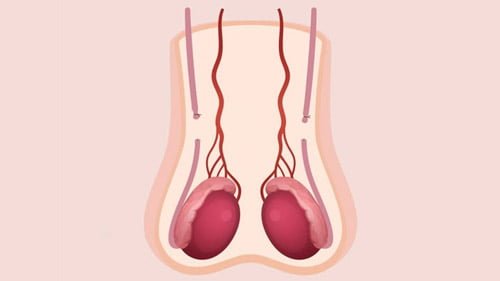
During a vasectomy in Iran, the vas deferens exit out of the scrotum (that is, the envelope containing the testes) and are then blocked and cut, preventing the passage of sperm. This does not prevent ejaculation. It is the seminal vesicles located above the prostate, so higher than the site of the vasectomy, that produces most of the fluid that is ejaculated. The production of sperm by the testes continues after the vasectomy. However, the man’s testicles will produce less sperm over time, and his body will absorb the sperm produced.
Since sterilization is, in principle, a final decision for men, it should be carefully considered. The possibility of changes in living conditions that lead to the desire to have children again (Divorce, death of a partner, or a child) should also be considered.
Conventional vasectomy
It involves making two small cuts in the scrotum that are stitched up at the end of the procedure. This type of vasectomy is currently less used in Iran and the world.
No-scalpel vasectomy
It is a newer and now commonly used method of vasectomy in Iran that negates the need for a scalpel to cut skin. Instead, a special instrument makes a tiny hole in the skin of the scrotum above the vas deferens and small forceps open up the hole so that the surgeon can access vas deferens tubes. This method is thought to cause less bleeding, pain, and complications and requires no stitches.
What are pre-operative instructions for vasectomy in Iran?
Your doctor takes a full medical history and will ask about your circumstances and provide you with information and advice before agreeing to this procedure. You should do a vasectomy if you are sure you never want to have children, or do not want to have more children. If you have any doubts, think of another method of contraception until you are sure. You should not decide to take a vasectomy after a crisis or a major change in your life – for example, if your partner gave birth or just got pregnant.
If you have a partner, discuss this with her before deciding to perform a vasectomy in Iran. You should both agree to this procedure, if possible. You can perform a vasectomy at any age. However, your doctor may oppose this procedure if you are under the age of 30, especially if you have not yet had children. Your doctor has the right to refuse to perform the procedure or to refuse to refer you for it if he believes it is not in your interest.
How is the procedure of vasectomy in Iran?
Most vasectomies are performed under local anesthesia. This means that only the scrotum and testicles will be anesthetized, and you will be alert at the time of the procedure. You will not feel any pain, although you may feel a little uncomfortable. General anesthesia may be required in rare cases meaning that you will be asleep during the procedure. General anesthesia can be used if you are allergic to a local anesthetic or have a history of fainting easily. However, most people need only local anesthesia.
- In the conventional vasectomy, the doctor will make one or two small incisions in the scrotum (the skin sac that surrounds your testicles) to access the efferent vessels on the scrotum using a scalpel (a surgical knife). A small portion of the efferent vessels will be cut and removed. The urologist can close the ends of the arteries with a catheter and suture the incision. The doctor will then perform the same operation on another testicle through another incision in the scrotum or the previous incision. For both testicles, when the efferent vessels are closed, the doctor will use a few stitches or skin adhesives to close the incisions on the scrotum.
- The other type is called no-scalpel vasectomy, and it is a modern technology that is now commonly used. In this type of vasectomy in Iran, a small hole is made on one side of the scrotum. The surgeon finds the vas deferens and pulls it out of the hole. The vessel is then cut and a small part of it will be removed. The end of the efferent vein will be burned or knotted and the vessel will be returned to its place. This process will then be repeated on the other testicle. Since the holes are very small, no stitches are needed.
Your doctor will choose the best vasectomy technique for you. After vasectomy in Iran, many people return home the same day and fully recover in less than a week.
What are the potential complications of vasectomy in Iran?
Based on studies of thousands of men, vasectomy does not cause health problems such as cardiovascular disease or cancer. Some controversy has arisen regarding the relationship between vasectomy and prostate cancer. Analysis of currently available studies has not established that vasectomy causes prostate cancer and the medical community recognizes that vasectomy is not a risk factor for this.
How effective is vasectomy in Iran?
As soon as there is no longer any sperm in the semen fluid, it is possible to give up the other contraceptives. It is considered that the vasectomy is irreversible, that is to say, that the vasectomized man will not be able to have any more children during his life.
Are there any effects on sex life?
Men sometimes refrain from sterilization because they fear that their sexual life will be impaired. However, this concern is completely unfounded: Hormone production in the testicles, potency, sexual pleasure, and also the ability to have an orgasm are not affected by sterilization. The amount of ejaculate remains almost the same, as the seminal fluid is mostly produced in the prostate and other glands and only consists of five percent sperm cells. The testicle also continues to produce sperm even after the vasectomy, but they have broken down again shortly after their passage into the now-closed sperm duct.
A practical point for your care
Before an operation, the pre-assessment team should review your health, previous tests and all medicines and supplements. Ask for written instructions on medicines, eating, drinking and aftercare that apply to your planned procedure.[1]
Planning treatment in Shiraz
Ask SanaMedTour about the appropriate specialty, appointment arrangements and practical support for your visit. The treating clinician confirms the diagnosis, treatment options, suitability and follow-up after assessment.
Request an itemised written quote identifying the clinician, facility, tests, treatment, medicines, reviews and any accommodation or transfers included.
Sources
[1] NHS: Preparing for surgery — supports the individual-care planning note above. ↑ Back to text
Editorial adaptation: 25 October 2026. General information for planning and discussion; your clinician’s individual instructions take priority.