Read the practical considerations around how to reduce swelling after liposuction?, with individual preparation and recovery decisions confirmed by your treating team.
Key points
- Discuss your individual suitability, alternatives and risks with the treating clinician.
- Ask for written preparation and recovery instructions, including your medicines and follow-up.
- Confirm the healthcare facility, full costs and arrangements before booking travel.
On this page
- How long will swelling after liposuction last?
- What is the best treatment for swelling after liposuction?
- 1. Wearing a compression garment is a must
- 3. Undergo a massage therapy
- 4. Cut down on salt
- 5. No sports drinks; more water instead
- 6. Take short daily walks
- Share this article:
- A practical point for your care
- Plan your next step
- Sources
Swelling — along with bruising — is an inseparable part of liposuction. During a liposuction procedure, the surgeon uses a cannula to remove fat from the body. The cannula makes many tunnels under the skin while it moves back and forth. These tunnels become filled with fluid afterward, which is the main cause of swelling after liposuction surgery.
How long will swelling after liposuction last?
Surgery + Hotel + Visa
Transfer + Interpreter
What is the best treatment for swelling after liposuction?
The best treatment for lipo swelling is actually the passage of time! Swelling and inflammation after most plastic surgeries are common and it takes time until they subside and the results become noticeable.
There are some post-op instructions that help you get rid of swelling after liposuction surgery and heal faster. Following these tips and exercising some patience is key to a fast recovery from your liposuction procedure. Here are the instructions:
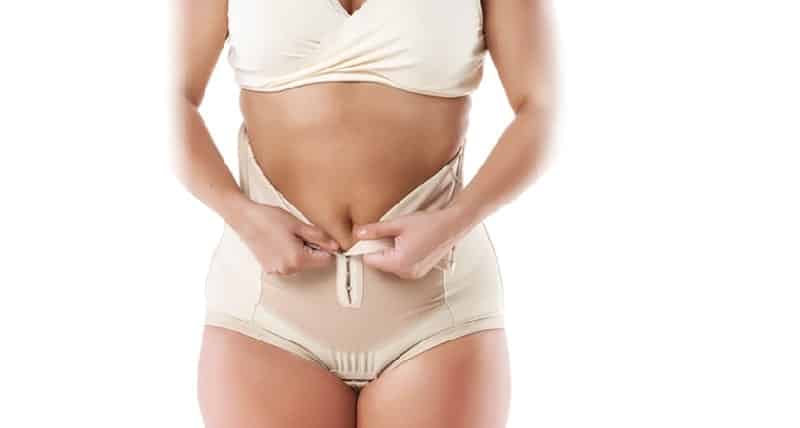
1. Wearing a compression garment is a must
Almost all surgeons prescribe a compression garment for their liposuction patients and tell them to wear it for a few weeks. The compression garment is your best friend on the path of recovery after lipo.
Coming in a variety of sizes and shapes, compression garments make support for your body while it heals. The constant pressure that a compression garment puts on your body suppresses the buildup of fluid under the skin and helps your body absorb the fluid faster, leading to decreased swelling. This way, you will see the results of your liposuction sooner.
Compression garments are essential for a fast recovery after liposuction.
Wearing a compression garment after lipo also helps your skin contract and fit the new contour of your body, which in turn prevents wrinkles and creases after the surgery. There are high-quality garments with anti-microbial, breathable fabric, which provide the maximum comfort and prevent skin irritation.
3. Undergo a massage therapy
A specialized type of massage called manual lymphatic drainage (MLD) is recommended by some surgeons for the liposuction recovery. This gentle massage can reduce swelling after liposuction by increasing the drainage of fluids that accumulate under the skin.
Check with your doctor and, if approved, meet a professional lymphatic drainage masseur two times a week and have a gentle massage. Keep in mind that the massage should be done gently so that not to increase bruising and discomfort.
A well-performed massage can also help you get rid of lumps after liposuction.
4. Cut down on salt
Reduce your salt intake and get rid of swelling faster. Sodium causes the body to retain water, which in turn increases swelling or bloating. Keep the salt shaker off the table to prevent prolonged post-liposuction swelling on your abdomen, thighs, and other areas.
The sodium in salt causes the body to retain water, resulting in bloating and swelling.
5. No sports drinks; more water instead
Sports beverages are full of sodium and thus increase water retention in the body. It is recommended that you avoid sports drinks, such as Gatorade and Powerade, during the recovery period of your liposuction surgery in order to shorten the duration of the post-op swelling. Instead, drink plenty of water to keep your body hydrated.
6. Take short daily walks
Liposuction surgeons often recommend their patients to go for brisk walks on a daily basis during the first few weeks following surgery. This reduces swelling and prevents blood clots. Of course, this doesn’t mean that you engage in intense walking and running, or other strenuous physical activities.
Share this article:
You May Like to See Before & After Photos of Liposuction
Let’s Take a Look at Our Plastic Surgery Patients’ Testimonial Videos
Feel free to express your opinions or ask your questions regarding the article
A practical point for your care
Before an operation, the pre-assessment team should review your health, previous tests and all medicines and supplements. Ask for written instructions on medicines, eating, drinking and aftercare that apply to your planned procedure.[1]
Plan your next step
Read the patient travel guides · Contact SanaMedTour
Sources
[1] NHS: Preparing for surgery — supports the individual-care planning note above. ↑ Back to text
Editorial adaptation: 25 October 2026. General information for planning and discussion; your clinician’s individual instructions take priority.