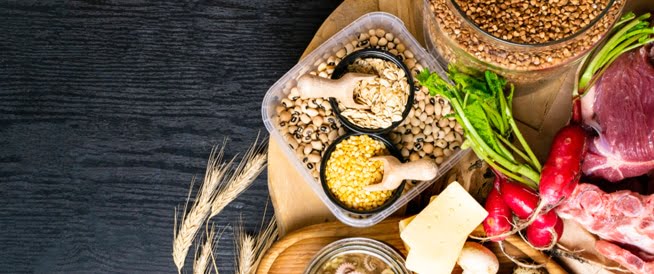
Meat, fish, seafood, eggs and dairy foods can provide zinc.
Key points
- Zinc is available from animal and plant foods.
- Variety is more useful than relying on one ingredient.
- Avoid high-dose supplementation without a reason.
On this page
Where zinc comes from
Beans, nuts and whole grains also contribute, although availability from different foods varies.[1]
Build balanced meals
Combine suitable protein sources with vegetables and other varied foods that fit your diet and preferences. A balanced eating pattern supports general nutrition without promising a specific surgical or hair-growth result.
When to discuss a supplement
Ask about supplementation if a clinician has identified a deficiency or another reason for treatment. High doses are not a shortcut to better health and can cause problems or interact with other nutrients and medicines.
Bring the full list to an appointment
Tell clinicians about vitamins and minerals as well as prescribed medicines. This is particularly useful when planning a procedure or reviewing persistent symptoms.
Related planning guides
Sources
[1] NIH Office of Dietary Supplements: Zinc · ↑ Back to text
Editorial update: 25 October 2026. Information for planning and discussion; follow your own treating team’s instructions.