Read the practical considerations around facelift vs. ultherapy: the right anti-aging choice for you, with individual preparation and recovery decisions confirmed by your treating team.
Key points
- Discuss your individual suitability, alternatives and risks with the treating clinician.
- Ask for written preparation and recovery instructions, including your medicines and follow-up.
- Confirm the healthcare facility, full costs and arrangements before booking travel.
On this page
- Anti-Aging Treatments
- Facelift vs. Ultherapy: The Core Differences
- Facelift Procedure
- Facelift Post-Surgery Recovery and Care
- How Ultherapy Works
- Ultherapy Post-Treatment Recovery and Care
- Evaluating the Benefits and Limitations
- Facelift Benefits
- Ultherapy Advantages
- Who Should Consider a Facelift?
- Who Should Consider Ultherapy?
- Conclusion
- Medical & Cosmetic Treatments
- A practical point for your care
- Plan your next step
- Sources
This article unfolds a comprehensive comparison, shedding light on the transformative power of these procedures. Dive into an exploration that promises not just insights but a pathway to making informed decisions in the pursuit of aesthetic excellence.
Anti-Aging Treatments
Anti-aging treatments have evolved significantly over the years, offering various options to those looking to reverse the signs of aging.
These treatments range from invasive surgical procedures to non-invasive therapies, each with benefits and considerations.
The key to achieving the desired results is selecting the right procedure based on individual needs, skin conditions, and expected outcomes.
Anti-aging treatments range from invasive surgical procedures to non-invasive therapies.
This choice is critical because it aligns with personal goals, recovery time preferences, and budget considerations.
- Surgical Options
Facelift procedure: A facelift is a comprehensive approach to address aging signs by removing excess skin, tightening underlying tissues, and repositioning skin on the face and neck.
The facelift results can be dramatic, offering a youthful appearance that lasts for many years.
The procedure best suits those with moderate to severe facial sagging and wrinkles. - Combination Therapies
Combining surgical and non-surgical treatments can optimize anti-aging results.
For example, someone may choose a facelift for comprehensive improvements and later maintain those results with ultherapy.
This approach allows for customized treatment plans that address individual aging concerns effectively.
Choosing the right anti-aging treatment requires careful consideration of the available options.
Surgical options like a facelift offer long-lasting and significant improvements for those willing to undergo surgery and a recovery period.
In contrast, non-surgical options such as ultherapy provide a less invasive alternative with minimal downtime, suitable for those with mild to moderate signs of aging.
Combination therapies leverage the strengths of both surgical and non-surgical treatments, providing a tailored approach to anti-aging that can meet a wide range of needs and expectations.
Facelift vs. Ultherapy: The Core Differences
Exploring the key distinctions between facelift and ultherapy offers valuable insights for individuals considering anti-aging treatments.
While both aim to rejuvenate the appearance and combat signs of aging, they diverge significantly in methodology, recovery, and outcomes.
Comparison between Facelift vs Ultherapy
Understanding these differences is crucial for making an informed decision that aligns with personal aesthetics goals, lifestyle, and readiness for downtime.
Facelift Procedure
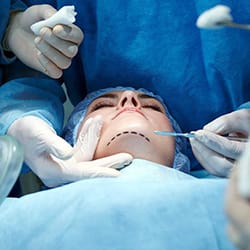
A facelift, known as rhytidectomy, is an intricate surgical procedure designed to reduce visible signs of aging in the face and neck.
This procedure involves removing excess skin, tightening underlying tissues, and repositioning the skin to create a more youthful and rested appearance.
The facelift results can be transformative, significantly reversing age-related changes.
Facelift Post-Surgery Recovery and Care
Recovery from a facelift entails a period of rest and limited activity to allow for healing and reduce the risk of complications.
Patients typically experience swelling, bruising, and discomfort, which can be managed with prescribed medication.
Following the surgeon’s post-operative care instructions is essential for achieving the best results and facilitating a smooth recovery.
How Ultherapy Works
Unlike a facelift, ultherapy does not involve incisions or skin surface alterations.
Ultherapy harnesses the power of focused ultrasound energy to target deep layers of the skin.
Ultherapy Post-Treatment Recovery and Care
One of the ultherapy benefits is the minimal interruption to daily life.
Patients can typically return to regular activities immediately after the treatment, making it a convenient option for those with busy schedules.
Evaluating the Benefits and Limitations
When considering anti-aging treatments, weighing the benefits and limitations of facelift and ultherapy is essential.
Each method offers unique advantages and faces certain constraints, making it important for individuals to assess which option aligns best with their aesthetic goals, lifestyle, and willingness to undergo recovery periods.
Understanding these aspects can help make an informed decision that yields satisfaction and enhances one’s quality of life.
Facelift Benefits
- Long-term results: One of the most significant facelift benefits is the enduring nature of the outcomes.
Patients can enjoy a more youthful appearance for many years post-procedure, making it a worthwhile investment for those seeking lasting changes. - Comprehensive improvements: A facelift addresses multiple signs of aging in one go.
It can mitigate sagging skin, diminish deep wrinkles, and restore a firmer, more contoured facial structure.
This all-encompassing approach ensures that the improvements are harmonious and impactful, contributing to a rejuvenated overall look.
Ultherapy Advantages
- Minimal to no recovery time: The absence of a recovery period with ultherapy means that patients can immediately resume their daily activities post-treatment.
This convenience is a significant advantage for busy individuals who cannot afford the downtime associated with surgical procedures.
Who Should Consider a Facelift?
Candidates for a facelift typically exhibit more pronounced signs of aging, such as deep wrinkles, significant skin sagging, and jowls that cannot be effectively addressed with less invasive treatments.
Ideal candidates are those in good overall health, non-smokers, or willing to quit smoking, as smoking can affect the healing process.
They should have realistic expectations about the outcomes and be prepared for the necessary downtime associated with recovery from surgery.
Who Should Consider Ultherapy?
Ultherapy is ideal for individuals experiencing mild to moderate skin laxity who wish to improve their appearance without the invasiveness of surgery.
Suitable candidates are those looking for gradual improvements and are comfortable with the idea that results will unfold over several months.
People seeking a procedure with minimal to no downtime, who are in good health and have realistic expectations about the subtlety of the outcomes, may find ultherapy to be the perfect fit.
Conclusion
Whether you’re leaning towards the dramatic results of a facelift or the subtlety of ultherapy, understanding their benefits, longevity, and the nuances of preparation and care is key.
In summary, facelift involves surgery for significant facial rejuvenation, while ultherapy is non-invasive, using ultrasound for subtle tightening.
Benefits include long-term results with facelifts and minimal downtime with ultherapy.
Ideal candidates vary based on the severity of aging signs.
So while the facelift surgery costs more, considering its one-time nature (long-lasting results) it can even be a more economical option in total.
Medical & Cosmetic Treatments
Feel free to express your opinions or ask your questions regarding the article
A practical point for your care
Before an operation, the pre-assessment team should review your health, previous tests and all medicines and supplements. Ask for written instructions on medicines, eating, drinking and aftercare that apply to your planned procedure.[1]
Plan your next step
Read the patient travel guides · Contact SanaMedTour
Sources
[1] NHS: Preparing for surgery — supports the individual-care planning note above. ↑ Back to text
Editorial adaptation: 25 October 2026. General information for planning and discussion; your clinician’s individual instructions take priority.