Read the practical considerations around a complete guide to breast augmentation recovery, with individual preparation and recovery decisions confirmed by your treating team.
Key points
- Discuss your individual suitability, alternatives and risks with the treating clinician.
- Ask for written preparation and recovery instructions, including your medicines and follow-up.
- Confirm the healthcare facility, full costs and arrangements before booking travel.
On this page
- Quick post-op tips and facts for breast surgery
- Breast augmentation recovery timeline
- The first day after breast augmentation
- The next couple of days
- Weeks 3-6
- First two months after breast enlargement surgery
- Results: when to expect final results?
- What are the side effects of surgery and how can you deal with them?
- Pain
- Swelling and bruising
- Tiredness
- Infection
- Capsular contracture
- Implant rupture
- Signs you’re not recovering well after breast augmentation
- Breast augmentation aftercare tips
- Consultation and instructions
- Medications
- Dressing (bandages, bras, etc.)
- Wound care
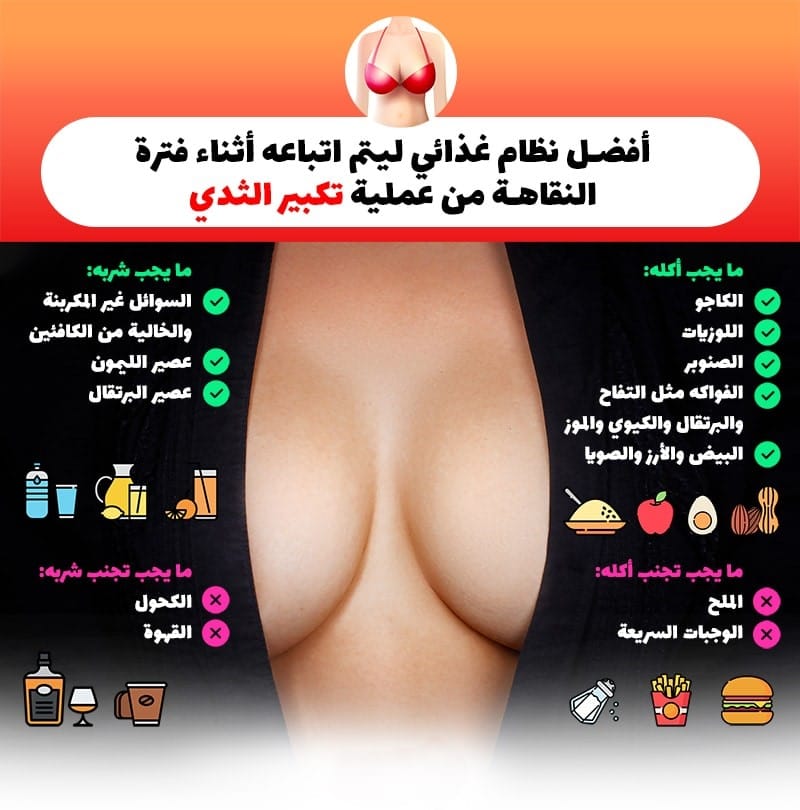
- Diet: what to drink or eat?
- Drinks
- Foods
- Nutritious supplements
- What to avoid eating or drinking after breast augmentation surgery?
- Salt
- Alcohol
- Caffeine
- Daily activities/habits
- Sleeping and resting
- Driving
- Lifting
- Massages
- Movements of arms and legs
- Walking
- Exercising
- Smoking
- How does smoking affect implants?
- Breastfeeding
- Childcare after breast implants surgery
- Checkup after breast implants surgery
- Why have a checkup?
- Conclusion
- A practical point for your care
- Plan your next step
- Sources
Breast augmentation surgery, also known as augmentation mammoplasty, is a surgical operation performed by a clinical cosmetic surgeon to increase breast size or change its shape.
Going through with breast augmentation surgery is a tough decision to make. There are a lot of factors that need to be taken into account in the recovery phase and the lack of a clearly defined process for recovery management after surgery might end up confusing a lot of people.
From swelling and infection to managing your scar tissue and handling a possible rupture of implants, this article will serve as a complete and comprehensive guide to breast augmentation recovery after your surgery.
Quick post-op tips and facts for breast surgery
Here we list the most important facts and tips that need to be considered or expected immediately after surgery so that you would pull off a perfect recovery.
- After the surgery, you will feel extremely tired, which is why you need to get plenty of rest.
- Solemnly avoid heavy activities that could raise your blood pressure for the first couple of days.
- You may feel tightness, soreness, and pain in your chest area for quite a while. Taking your medications will ease your pain.
- After taking a shower, it is recommended to change your gauze dressings once every day. Do not touch the steri-strips on your incisions.
- In the first couple of days, you should make a note to take brisk walks on a daily basis to avoid blood clots.
- If you notice warmth, redness, or run a fever, you may have an infection. Contact the clinic and explain your symptoms.
- Constipation is possible because of your medications and anesthesia. Be prepared for it.
- Last but not least, always lie down on your back. Never sleep on your stomach. It is safe to sleep on your side for short periods of time. Your headrest should be higher than your body.
Breast augmentation recovery timeline
Now, let’s get to the real question: ‘How long will it take for you to get back to your normal life?’ Well, there is no simple answer to that. The implant type, its size, texture, and other bodily features are all contributing factors that affect the duration of your healing process.
The first day after breast augmentation
When you wake up, you will feel pain and soreness in your chest and your movement will be limited. Dizziness and constipation might also occur as a result of anesthesia. It is absolutely essential to get someone to help you cook meals, move around, and even change the dressing of your implants in the first couple of days.
The next couple of days
Surgeons usually put sutures under the skin of your breast to give it a natural fold. These might cause a pinching sensation which will bring you pain. Do not touch them.
For the first week, cover your incisions with a gauze dressing and try to replace it at least once a day. If your incisions are covered with steri-strips, you do not need to remove them. These steri-strips are often applied with a skin adhesive, which will enable you to wash them without being removed.
After the first week, you can go back to work, but remember to not engage in any heavy physical or social activities.
Weeks 3-6
Your pain and discomfort will be greatly reduced by week 3 after breast augmentation surgery. Patients are encouraged to resume their daily activities but refrain from doing anything particularly challenging to their physical strength.
Your scars will begin to fade, but remember that they will not completely disappear.
Patients can also do some lower-body exercises like squats. Do not attempt to do push-ups or sit-ups as they will gravely damage your implants.
Continue to wear support or recovery bras to not disrupt the adjustment of your implants.
First two months after breast enlargement surgery
As you move past the recovery phase, you can stop wearing your sports or recovery bra.
Results: when to expect final results?
A couple of months after surgery, your breast implants begin to feel and look more natural. During this period, and in order to avoid any further complications, you should set appointments with the hospital to get your implants checked.
By the eighth month, your implants will have fully settled in and you can get a good feel for how they are going to look in the years to come.
What are the side effects of surgery and how can you deal with them?
While the latest developments in plastic surgery have made the process of breast implants recovery much faster and easier, there are still things that patients need to know about the possible complications they might encounter along the way.
Much like other major surgeries, it is of vital importance to be prepared for everything and know the side effects that might cause you trouble during your recovery period. Here, we will list the most troublesome and somewhat probable aspects of breast augmentation recovery and ways to deal with each one of them.
Pain
Pain is a sign that your breasts are adjusting to the implants and there is no need to worry.
While medications are going to drastically ease the pain, your ultimate weapon through the first couple of weeks is tolerance. By the time you reach the fifth week, most of the inconvenience and nausea caused by pain will have gone away.
Pain is normal during breast aug recovery, and it shows that your breasts are adjusting to the implants.
Swelling and bruising
Every patient will experience swelling and bruising, so it shouldn’t be a cause for concern. In fact, swelling and bruising is your body’s natural response to invasive surgeries.
Tiredness
Surgical trauma can cause fatigue and tiredness, especially in the first few days of breast augmentation recovery. With breast augmentation surgery, the movement of your arms will be limited and you will also have difficulty getting up and moving around.
Infection
If it comes to that, you should wait a couple of months to fully treat your infection and then seek to undergo surgery again.
Capsular contracture
After the surgery, your immune system creates a capsule (scar) that fixes the implant in its place. This is a natural response from your immune system and most of the time, your breast will feel soft and look normal. In some rare cases, though, this capsule begins to contrast with the implant and makes it feel firmer than usual. As of now, the reason for this is unknown.
If capsular contracture grows abnormal, in both texture and shape, you are going to have to remove the implant and release the capsule.
The odds of capsular contracture will be reduced with reoperation and a new implant, but generally speaking, you don’t need to worry about this phenomenon.
Implant rupture
In case of trauma or pressure, the silicone outer shell of an implant can leak and rupture. This can also occur as a result of your implant naturally aging after several years. When saline implants rupture, the saltwater is absorbed by the body. That is not the case with silicone implants, which is why it takes patients longer to notice that their gel has been compromised.
The doctor must surgically remove the implant and even take out the scar capsule by making an incision. If you have implants in both of your breasts and one ruptures, the surgeon will probably take out both of them. If you decide to have new implants, the surgeon can apply them during the same operation.
Signs you’re not recovering well after breast augmentation
There are signs that indicate you might not be recovering well from your surgery. Infection, bleeding and high fever are lucid signs that something is wrong with your implants.
Here are some other symptoms that suggest you are not experiencing a healthy recovery and should call your plastic surgeon for further instructions:
- Severe itching at the site of incisions, sutures, or wounds (mild itching is normal)
- Intolerable nausea, vomiting, and constant dizziness
- Numbness in other areas of your body (other than your breasts and implants, where mild numbness is to be expected)
- Extreme pain despite taking your medications
- Extreme bleeding that doesn’t subside
- Racing heartbeat and shortness of breath
Breast augmentation aftercare tips
Surgical developments and medical advances have paved the way for experiencing a safe and smooth surgery. Be that as it may, paying heed to aftercare tips is an absolute necessity if you wish to get the best results out of your surgery.
Here we list some of the things that will help you along the way in your breast implant recovery period.
Consultation and instructions
Patient consultation is an important part of the surgical process, where you will ask all your questions before the actual operation. After the surgery, your surgeon will give you the necessary instructions for breast augmentation aftercare and give you medications for pain and other side effects.
The doctor will usually set an appointment for a few days after the surgery to check your implants and replace your bandages.
Medications
Always take your pills after you’ve eaten. This is recommended for the first couple of days after the surgery to avoid nausea and other disturbing side effects.
Dressing (bandages, bras, etc.)
Your chest area will be covered with gauze dressings and bandages after the surgery and you will be required to wear a bra all the time to hold your dressing and incisions in a stable position.
For more tips on how to choose bras, you can read a guide to choosing bras after breast augmentation.
Post-surgery bras help you get through the recovery period much easier.
Wound care
As mentioned earlier, swelling is normal during the recovery after breast implants. If it doesn’t subside after a couple of days, your doctor will apply wraps and implant stabilizers during your next appointment.
Slight redness or drainage on your incisions is normal. If this increases substantially and you get a serious fever, contact your doctor and ask for instructions.
Diet: what to drink or eat?
As transparent as it might sound, you need to eat healthy after your operation. Without enough nutrition, your wound will not heal properly and your recovery after breast implants will not have the support of different vitamins, proteins, and their healing properties.
Drinks
Staying hydrated is absolutely essential. Drink lots of non-carbonated and caffeine-free fluids. Herbal tea, Lemonade, and orange juice are highly recommended drinks for breast augmentation aftercare that should be consumed on a regular basis.
Foods
It is recommended to consume bland and nutritious meals for the first couple of days.
Cashews, almonds, pine nuts, etc. are approved remedies for skin tissue. Fruits that boost your immune system can greatly enhance the quality of your recovery period. Consuming apples, oranges, kiwis, and bananas will also help you with nausea.
The consumption of eggs, rice, and soy are also highly recommended. Seafood, sweet potatoes, and beans will also boost your immune system and energy levels.
Try to eat in smaller portions to help both your digestion and immune systems.
Nutritious supplements
Supplements are a good choice for boosting your immune system and your body’s healing capacities, but make sure that they don’t interfere with your medications by checking with your plastic surgeon.
Your diet plays a crucial role in speeding up your healing after breast surgery.
What to avoid eating or drinking after breast augmentation surgery?
Eating or drinking unhealthy food will sabotage your breast augmentation recovery and slow down your healing process, so you should try to steer clear of them. Here we list some of the foods and drinks that may be detrimental to your body before or after surgery.
Salt
Consuming too much salt will raise your blood pressure and put a strain on your heart and blood vessels.
Alcohol
Remember that consuming alcoholic beverages in the post-op period is like swallowing a mouthful of poison, as it will both affect your healing process and damage your implants.
Caffeine
Caffeine stimulates your nervous system and gives you a feeling of agitation. This could give you nausea and more discomfort with your pain after surgery.
Cutting down on caffeine intake is also essential to stop interference with blood pressure and anesthesia.
Daily activities/habits
While most people resume their daily activities after a week or so, it is important to know your limits and what you can or can’t do during your breast augmentation recovery.
Sleeping and resting
Try not to sleep flat on your back. Resting in an upright position accelerates your recovery speed. NEVER sleep on your stomach to avoid damaging your implants. You can check out our blog post on how to rest during breast implants recovery for more information.
Driving
Driving will put pressure on your wounds after the surgery, which is why it’s important to have someone with you to give you a ride home.
Most people can drive after a week, but if at all possible, avoid it for the first month.
Lifting
Try to take care of your housework before surgery and have someone with you to do the chores. (This is especially important if you have kids.)
Massages
If necessary, your surgeon might also give you instructions on how to lightly massage your implants. Do not attempt to massage your breasts without previous instructions as you may end up damaging the integrity and causing a rupture.
Movements of arms and legs
Your arms will have limited movement after surgery, which means that you cannot take care of many personal chores by yourself. Having someone around to help you is vital in the first couple of days.
You will also have difficulty walking, but you’ll slowly be able to walk normally by the end of the first week.
Walking
Some people tend to think that after breast implants, they should avoid any movement. The truth is, you need to take brief 10-minute walks every few hours to maintain a good
Exercising
Can’t resist the urge to do a little bit of exercise? Well, you can do squats and other lower-body exercises, but avoid push-ups and sit-ups. Also, avoid bending over as much as you can.
Smoking
Plastic surgeons are always talking about the adverse effects of smoking on cosmetic procedures. If you wish to experience a healthy and smooth breast augmentation recovery, you must quit smoking for some time.
How does smoking affect implants?
Nothing is more detrimental to plastic surgery results than smoking and its compressing effect on your blood vessels. Nicotine causes blood vessels to constrict and that puts you at risk of surgical complications.
Smoking after surgery will lead to blood clots, infections, increased pain, and ultimately, complete failure of implants.
Breastfeeding
According to an Institute of Medicine (IOM) report, women who had undergone breast surgery were at least three times as likely to have problems with breastfeeding. There have also been raised concerns about the breast milk itself, but there hasn’t been enough research to resolve this matter.
Can you breastfeed during your breast augmentation recovery time? The short answer is: Yes. In most cases, women don’t have a problem with breastfeeding after the surgery.
Consultation before surgery is really important in this situation. If your incisions were made under the breasts in the inframammary fold, then your nerves are preserved and you shouldn’t have any problems with breastfeeding. This is the most common method applied in breast augmentation surgery. But sometimes, and for cosmetic reasons, the cut is made near your areola – close to your armpit – which can interfere with the nerves responsible for your milk supply.
The reason behind augmentation surgery is just as important. Some women undergo surgery to boost their flat-shaped breasts, which is regarded as an indicator of breastfeeding problems in the first place, regardless of the type of breast implant surgery they ultimately decide to receive.
There are many widespread myths about plastic surgery, one of which claiming that people who receive breast implants will not be able to breastfeed. While some problems may occur, there is no indication whatsoever that women will permanently lose their ability to produce lactic fluid.
You can safely breastfeed your baby after getting breast implants surgery done.
Childcare after breast implants surgery
For people who have infants or small kids, you will not be able to carry them around. In that case, seek help from a close friend or relative to assist you with your housework and chores until you get back on your feet.
Checkup after breast implants surgery
That being said, it is still a good idea to have a checkup from time to time and make sure that everything is in its place.
Why have a checkup?
While your implants will hold their integrity for years to come, your body will age and bring along some changes. Some women may not be satisfied with the shape of their breasts. In that case, your surgeon can help you with an uplift or a secondary operation.
Also, silent ruptures may be a cause for concern. Improvements in silicone implants have reduced the chances of rupture, but it can still occur. A rupture will cause pain, swelling, and changes in breast shape.
Silent ruptures show no symptoms. So, after your breast augmentation recovery period is over, it is recommended to take a breast MRI and make sure the implants are in good shape. Breast MRIs only indicate the integrity of your implants and do not utilize i.v. contrast (used for detecting breast cancer) and should be taken at least once every year after surgery.
Conclusion
If you follow instructions and stay true to the instructions mentioned in this article, you will experience a smooth and fast recovery after your breast augmentation surgery. Granted, reading all of these tips can make you feel overwhelmed, but as you lean into the process, things will be easier to manage and the discomfort will slowly – but surely – fade away.
If you have any questions or need consultation in regard to breast augmentation recovery and aftercare, be sure to contact your surgeon and seek assistance
A practical point for your care
Before an operation, the pre-assessment team should review your health, previous tests and all medicines and supplements. Ask for written instructions on medicines, eating, drinking and aftercare that apply to your planned procedure.[1]
Plan your next step
Read the patient travel guides · Contact SanaMedTour
Sources
[1] NHS: Preparing for surgery — supports the individual-care planning note above. ↑ Back to text
Editorial adaptation: 25 October 2026. General information for planning and discussion; your clinician’s individual instructions take priority.