Read the practical considerations around dental implant infection: causes and treatments, with individual preparation and recovery decisions confirmed by your treating team.
Key points
- Discuss your individual suitability, alternatives and risks with the treating clinician.
- Ask for written preparation and recovery instructions, including your medicines and follow-up.
- Confirm the healthcare facility, full costs and arrangements before booking travel.
On this page
Dental implants look and feel exactly like your natural teeth with the bonus that they don´t get cavities. But do they get infected? We will find out soon.
In this article, we will review dental implant infection and how to prevent it so you can keep your tooth implants for life.
What is dental implant infection?
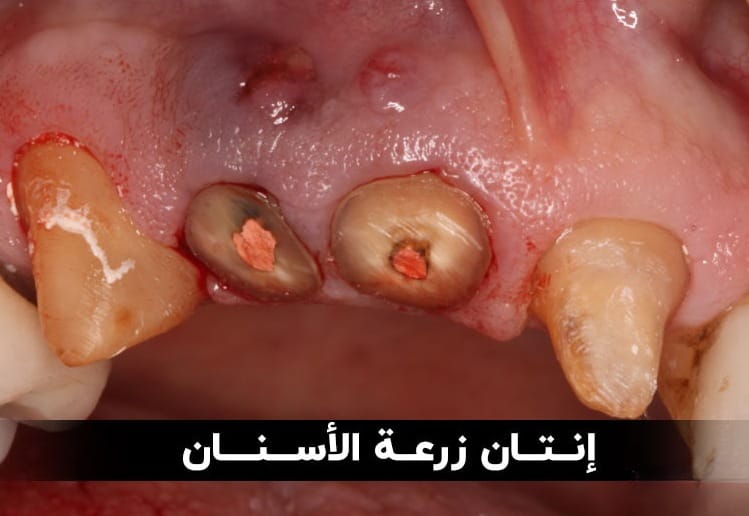
Dental implant infection is relatively rare but it starts with the buildup of bacteria that is neglected. It gradually develops to peri-implant mucositis which involves soft tissue (mucosa) inflammation. If it is not treated promptly, it will turn to peri-implantitis, which is a gum disease involving both soft and hard tissue, leading to bone loss and implant failure. If still neglected, it will lead to a systematic illness that is harder to treat and damages other organs.
Why does dental implant infection occur?
Just like your natural teeth, dental implants can get infected because bacteria can grow and create a plaque that affects your gum and the underlying bones. Often a plaque biofilm is formed between the titanium implant and prosthetic crown that gradually extends to the gum.
Dental implant infection might occur due to many factors including the following:
- Poor dental hygiene: Lack of proper oral hygiene is the most contributing factor that allows the bacteria to stay and build up.
- Smoking: Smoking reduces blood flow to the gum due to blood vessel restrictions, which hinder nutrient delivery and removal of waste products. It also introduces bacteria to the mouth, which increases risk of buildup and infection.
- Weakened immune system: A compromised immune system for any reason can greatly impact the body’s ability to fight bacteria, which can eventually lead to infection.
- Jaw and gum conditions: Osteoporosis and gum disease (periodontitis) can also cause dental implant infection as they create gradual bone loss.
- Diabetes: Some diseases such as diabetes can also lead to infection as they cause systematic disruption in metabolism and the immune system.
- Allergy: Allergic reaction to implant itself might be a contributing factor.
- Certain medicines: Medications such as biphosphate for cancer are also considered a cause.
- Malocclusion or parafunctional habits: Misaligned bite (crossbite, overbite, underbite, open bite) and teeth grinding (bruxism) can eventually cause bacteria buildup and tooth implant infection.
- Improper implant placement: Surgical technique is very important in a dental implant procedure to make sure proper sterilization is observed and there is no gap left between the implant and jaw bone for the bacteria to grow. A highly qualified dentist with extensive experience in dental implants will take any measure necessary to prevent any chance of infection.
What are the Signs of dental implant infection?
Dental implant infection is just like natural tooth infection that causes the following symptoms:
- Gum inflammation including redness and swelling
- Taste disturbance
- Bad breath
- Pain or discomfort
- Pus leak from the area
- Bleeding from surrounding tissue
- Fever
- Loose implant
- Difficulty chewing
In case of noticing any sign of infection, contact your dentist immediately and follow the instructions. If left untreated, a simple inflammation can lead to systematic infection with severe consequences.
How to prevent dental implant infection?
Prevention is the key to implant success, which is simple if you start immediately after your surgery:
- Follow the post-operative instructions given by your dentist. They are designed according to your individual needs so you must stick to them rigorously.
- Stay hydrated as water can flush bacteria buildup.
- Reduce your physical activity during the healing process.
- Have your implants checked and cleaned by your dentist twice a year.
How to treat dental implant infection?
The treatment aims to stop the progression of infection and to maintain the implant. It starts with an accurate diagnosis based on X-ray imaging to determine any possible bone loss. Then periodontal probing will determine the stage of infection and a treatment plan will be recommended which include a combination of the following methods:
They are the first line of defense against any infection that might include pills or prescription-strength mouth rinse. Sometimes antimicrobial therapies are prescribed for infections caused by other microbes.
Mechanical debridement
This method is appropriate for shallow mucosal pockets where a carbon fiber curette or an ultrasonic device is used. Also known as submucosal debridement, the high-frequency waves clean the infected area around the implant.
In the case of deep mucosal pockets which are more than 5mm, mechanical flossing or delicate scaling instruments are used to clean the contamination without damage to the surface of the rod. Localized antiseptics are often used after mechanical removal of the infection.
Surgery
A surgical method or open flap debridement is utilized when access to infection site is not possible so a flap of gum is opened. According to the need, mechanical debridement and antiseptics are also combined.
Laser surface decontamination
This is a recent approach where laser beams are used to remove contamination from the surface of the titanium implant and surrounding tissues. The pulse settings are adjusted according to the level of peri-implantitis.
Implant removal
This is the worst-case scenario when the level of infection is severe and bone loss is significant which often happens when peri-implant mucositis develops into deep peri-implantitis. Surgical instruments such as a trephine or a forceps are often used for this procedure.
After several months of healing and bone grafts, reimplantation might be an option.
You May Like to See Before & After Photos of Dentistry
Final words
Dental implant infection is rare but easily preventable. You have the power to prevent dental implant infection when you follow the aftercare instructions and daily hygiene routines given by your dentist. However, choosing a highly experienced dentist is also important to prevent infection because the surgical technique can minimize any chance of bacteria growth.
No matter what the cause is, dental implant infection is easily treatable if diagnosed in the early stages. It is just like any other infection risk that is associated with any kind of surgery.
In case of any sign of inflammation, even slight redness and pain, visit your dentist immediately for a professional checkup and treatment.
Surgery + Hotel + Visa
Transfer + Interpreter
Let’s Take a Look at Our Dentistry Patients’ Testimonial Videos
Share this article:
Feel free to express your opinions or ask your questions regarding the article
A practical point for your care
Before an operation, the pre-assessment team should review your health, previous tests and all medicines and supplements. Ask for written instructions on medicines, eating, drinking and aftercare that apply to your planned procedure.[1]
Plan your next step
Read the patient travel guides · Contact SanaMedTour
Sources
[1] NHS: Preparing for surgery — supports the individual-care planning note above. ↑ Back to text
Editorial adaptation: 25 October 2026. General information for planning and discussion; your clinician’s individual instructions take priority.