Read the practical considerations around excess skin after weight loss surgery: why and how to manage, with individual preparation and recovery decisions confirmed by your treating team.
Key points
- Discuss your individual suitability, alternatives and risks with the treating clinician.
- Ask for written preparation and recovery instructions, including your medicines and follow-up.
- Confirm the healthcare facility, full costs and arrangements before booking travel.
On this page
Are you concerned about the unexpected trophy of weight loss surgery?
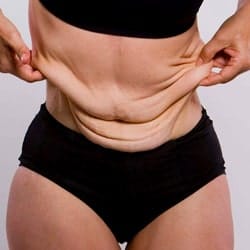
Significant weight loss, whether through bariatric surgery or diet and exercise, can be incredibly rewarding. This is, of course, the favorable result we look forward to while going through these journeys. However, as our skin may not be able to completely shrink and bounce back, too much weight loss often comes with a physical challenge: Excess Skin.
While this loose skin is the telltale sign of an admirable life-changing decision and a transformative journey to a healthier lifestyle, some may find it physically challenging and unpleasant. Sagging skin after enormous weight loss is particularly noticeable in areas like the abdomen, arms, and thighs. Many people undergoing weight loss surgery may face this phenomenon and wonder why it happens and how they can get rid of their excess skin after considerable weight loss. This article reviews the underlying reasons for loose skin formation after weight loss surgery and how to deal with it.
Let’s delve into the facts about excess skin after weight loss.
Why do we face loose skin after bariatric surgery?
When you gain weight, your skin experiences a multi-step process to accommodate the increased volume that ultimately leads to reduced elasticity and loose skin after weight loss. Here’s what happens:
- Stretching: As you gain weight, fat cells under the skin expand. This puts mechanical pressure on the skin, stretching it outwards, just like what happens to a rubber band when you stretch it. The more you pull it, the thinner and less elastic it becomes.
- Fiber Damage: The main players in skin elasticity are collagen and elastin. Collagen provides structure and support, while elastin allows it to stretch and shrink back. However, the constant stretching from long-term weight gain can damage these fibers, making them less effective. Collagen production can also decrease, further weakening the skin’s structure.
Damages to elastic fibers, make it difficult for the skin to retract fully after weight loss.
Factors like age, genetics, and the amount of weight loss also influence the severity of this issue.
Surgery + Hotel + Visa
Transfer + Interpreter
Does Excess Skin Happen to All
- Age: As you age, your skin naturally loses elasticity. So, younger individuals generally experience less loose skin than older adults after weight loss.
- Genetics: Some people are genetically predisposed to having more elastic skin, making them less susceptible to loose skin after weight loss.
- Sun exposure: Sun damage weakens skin elasticity, increasing the risk of loose skin.
- Type of surgery: As the type of surgery can affect the amount and rate of weight loss, it can also be considered as a factor. Certain bariatric surgeries, like bypass procedures, tend to lead to more weight loss and potentially more loose skin compared to sleeve gastrectomy.
Areas Commonly Affected
The areas that are mainly affected by the loose skin or more noticeable are the following:
- Abdomen
- Thighs
- Arms
- Breasts
- Chin
You May Like to See Before & After Photos of Weight Loss Surgery
Preventive Measures
While complete prevention might not be possible, several strategies can help minimize excess skin:
- Stay hydrated: Water plumps skin cells, improving elasticity.
- Strength training: Builds muscle, filling out loose skin and creating a more toned appearance.
- Healthy diet: Consuming nutrients like protein and vitamin C supports skin health.
Non-Surgical Options:
Your doctor may recommend some non-surgical methods to improve your loose skin. These options usually include:
- Compression garments: Apply gentle pressure to support the skin and promote lymphatic drainage.
- Topical creams: Products containing retinol or vitamin C might offer modest improvement.
Surgical Options:
Thankfully, several cosmetic surgery options can help you achieve a smoother, more toned silhouette to align your outer appearance with your inner transformation. While cosmetic surgery can enhance your self-esteem, it’s crucial to remember that it’s not a requirement for success after weight loss surgery. Celebrate your incredible journey and focus on the positive aspects of your improved health and well-being.
Generally, a combination of body contouring surgeries which mainly include skin removal procedures also known as lifts can significantly improve sagging skin after weight loss surgery. Depending on the area to be addressed, the following procedures could enormously help with the issue.
- Abdominoplasty (Tummy Tuck): This procedure addresses excess skin and fat in the abdomen, often resulting in a flatter, tighter tummy and a restored belly button.
- Body lifts: These procedures target larger areas like the arms, thighs, or buttocks, removing excess skin and tightening underlying tissues for a more sculpted look.
- Breast lift: Significant weight loss can impact breast shape and volume. Lifts can restore a perkier, more youthful appearance.
Important Things to Remember:
- Celebrate your achievement. Focus on the incredible health benefits of weight loss.
- While loose skin is common, not everyone experiences it severely.
- Maintaining a healthy weight, staying hydrated, eating a balanced diet, and exercising regularly can help minimize its appearance.
- Seek support. Connect with other individuals who have undergone similar journeys.
- For some individuals, body contouring surgery might be an option to address severe loose skin.
- Consulting a healthcare professional or dermatologist is crucial for personalized advice and understanding your specific risks and potential solutions.
- Weigh the potential risks and benefits of any surgery carefully.
- Not all insurance plans cover body contouring procedures.
- Be patient. Both physical and emotional adjustments take time.
Let’s Take a Look at Our Weight Loss Surgery Patients’ Testimonial Videos
Feel free to express your opinions or ask your questions regarding the article
A practical point for your care
Weight-loss surgery requires a personalised eating plan, monitoring of nutrition and long-term follow-up. Follow the bariatric team’s staged diet and supplement instructions rather than using a fixed online schedule.[1]
Plan your next step
Read the patient travel guides · Contact SanaMedTour
Sources
[1] NHS: Recovering from weight-loss surgery — supports the individual-care planning note above. ↑ Back to text
Editorial adaptation: 25 October 2026. General information for planning and discussion; your clinician’s individual instructions take priority.