Vision may be blurred on waking and then improve, leading you to suspect your glasses or sleep. Fuchs’ dystrophy is one possible explanation, but there are others. Describing the timing of blurring and examining the cornea help identify the cause before choosing drops or surgery.
In this article
What happens in the cornea?
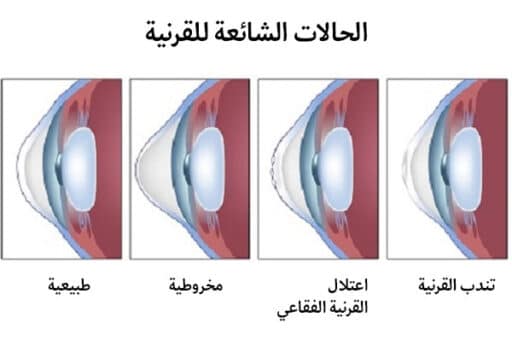
The cornea needs a careful fluid balance to remain clear. Cells on its inner surface help pump fluid out. In Fuchs’ dystrophy, this layer gradually weakens, allowing swelling and scattered light. The eyes may be affected differently, and a diagnosis does not mean an immediate transplant is necessary.[1]
When might sight change?
Early symptoms may include glare, blurring or difficulty driving at night. Blurring can be more noticeable in the morning at first, then last longer as the condition progresses. Similar symptoms occur with other conditions. A photograph or description sent by message is not enough to diagnose Fuchs’ dystrophy.[2]
Tell the clinician if a family member has had a similar problem or a corneal transplant. No family history does not exclude the condition, and a family history alone does not determine its severity in your eyes.
Which tests can help?
A corneal specialist examines the eye with a slit lamp and may measure corneal thickness or image the endothelial cells. Findings are considered alongside vision, the lens and the rest of the eye, because several conditions may contribute to reduced sight. Mention Fuchs’ dystrophy before agreeing to cataract surgery, as corneal findings may affect treatment planning.[3]
How is treatment chosen?
Monitoring may be enough in mild cases. A clinician may prescribe preparations to reduce corneal swelling, without restoring lost cells. If the condition significantly affects daily life, an endothelial transplant such as DMEK or DSEK may be discussed. Scarred corneas may need other approaches. The operation and expected outcome are individual decisions, rather than choices based only on a technique’s name.[3]
Useful questions before the appointment
Record whether vision improves during the day, and bring any previous corneal-thickness measurements, cell images and reports. Ask how much of the visual loss comes from the cornea, whether cataract is also present and what findings would make monitoring alone insufficient. If transplantation is discussed, ask about drops, follow-up and possible additional procedures as well as the operation date.
When should you seek care sooner?
Sudden loss of vision, severe pain or marked redness need urgent assessment and should not automatically be attributed to Fuchs’ dystrophy. After any corneal transplant, report increasing pain, light sensitivity or reduced sight promptly to the treating team. Early treatment may be necessary.[1]
Frequently asked questions
Is Fuchs’ dystrophy the same as cataract?
No. Fuchs’ dystrophy affects the cornea, while cataract is clouding of the eye’s lens. Both can occur together. Examination establishes how much each contributes.
Does everyone need a corneal transplant?
No. The plan depends on symptoms, tests and the effect on daily activities. Some cases are monitored, while others may benefit from surgery.
What should I bring if I visit Shiraz for an examination?
Bring corneal reports and images, eye-drop names and details of previous eye operations. Request a corneal assessment before choosing surgery or booking a return journey around uncertain expectations.
Related reading
Educational information from SanaMedTour. An eye doctor establishes the diagnosis and treatment plan after examination. Do not delay urgent care until a planned trip.