Read the practical considerations around tips for getting used to dentures faster, with individual preparation and recovery decisions confirmed by your treating team.
Key points
- Discuss your individual suitability, alternatives and risks with the treating clinician.
- Ask for written preparation and recovery instructions, including your medicines and follow-up.
- Confirm the healthcare facility, full costs and arrangements before booking travel.
On this page
Dentures, also called false teeth, are the most common and the least costly option to replace missing teeth in the modern world. The new types of dentures are more comfortable and natural looking than the older generations.
Many denture wearers complain, especially during the first few days, that they have problems and complications with their false teeth, which requires care and patience.
Most dentists believe that getting used to dentures is by no means an easy task during the first days and needs a lot of patience, but after a while, users will get accustomed to them, and eventually will feel comfortable, not even being aware that there is an alien inside your mouth.
A good way to get used to dentures more quickly is to keep them in mouth for more hours during the first few days.
When you first wear dentures, you may experience unnatural feelings, like having a full mouth, and therefore you feel it is impossible and even tedious to eat, but there is an old saying which goes “only time can solve a problem.”
Dentures are man-made appliances, not something you have born with; so it is natural to feel uncomfortable and awkward for several weeks while you’re getting used to them. When you first use them, you may experience different sensations, more saliva, gag reflexes, soreness and irritation, and tasting and chewing problems, until your dentures are settled into your mouth.
Adjusting to life with dentures is all about patience. Denture wearers may complain that they are not able to even eat properly since the day they got them.
Eating tips
When using dentures for the first time, gums need to get used to it. During the first few weeks after tooth extraction, gums may still be inflamed.
Soft foods help the mouth easily make the adjustment to dentures. Some of the food options are:
- Hot beans
- Pureed foods
- Pudding
- eggs
- Gelatin desserts
- Mashed potatoes or other vegetables
- Fruit juice
- Yogurt
- Ice cream
After a few days, as you master the steps recommended during the first days, you can eat solid food as well. Following are the recommended foods to eat after the dentures are settled into your mouth:
- Cooked rice
- Pasta
- Soft bread
- Soup with cooked vegetables and soft meat
- Cooked vegetables
- Soft fish
- Cooked beans
Even when denture wearers get used to their false teeth, there are still some foods that are forbidden because they may dislodge the appliances, place uneven pressure on them or put a lot of pressure on the false teeth and gums causing pain and irritation. They are as follows:
- Sticky foods: like peanut butter, chewing gum, gummy candy and caramel
- Hard foods: nuts, apples, carrots, and corn on the cob
- Tough meats: steak, ribs
- Small but hard-to-eat foods: popcorn kernels and sesame seeds
Chewing tips
Chewing is a big challenge all denture wearers face during the first few days while they are getting used to their new teeth.
- Cut your food into small pieces to lessen the chewing effort needed
Denture-removing time
The best time to remove your dentures is when you are sleeping. If you use them all day and night, the mucous membrane under the dentures will cause inflammation of gum (gingivitis) and jaw bone resorption over time. In addition, if you sleep with your dentures on, the germs will grow in the area between your gum and the dentures, developing into serious infections.
Go for a denture reline
In case of jaw bone resorption, and if your false teeth slip in your mouth, you can get your dentures relined by your dentists to help them stay in place more firmly.
A denture reline is aimed at correcting a loose-fitting denture.
Denture cleaning and care
You can prevent problems by taking good care of your dentures. They require regular cleaning with water but tough brushing is not recommended. It’s also very important to clean your gums and mouth to prevent sores and other problems. Regular cleaning will prevent stains and bad breath.
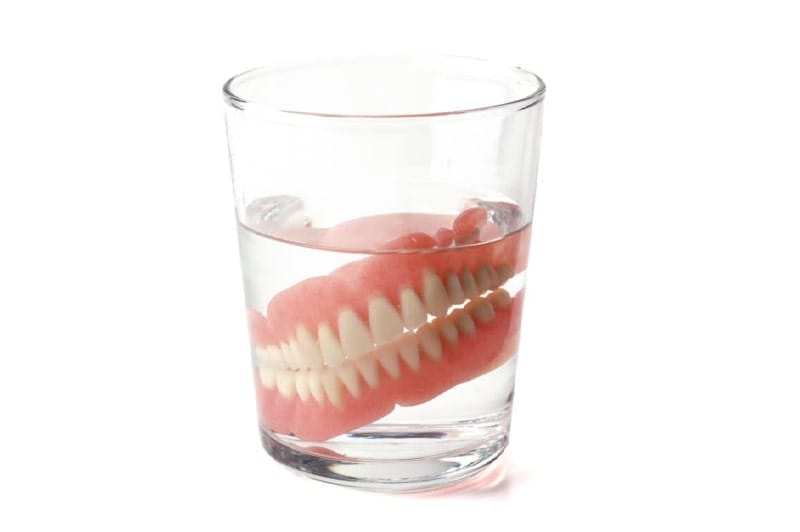
Every time you remove your dentures, soak them in water or a cleaning agent to maintain their shape. Learn more about how to clean and take care of dentures.
Dental checkup
This article only provides patients with general guidelines and tips for getting used to dentures and should not be taken for granted. Consult your dentist to receive the appropriate tips for your denture care and recovery.
A practical point for your care
Before an operation, the pre-assessment team should review your health, previous tests and all medicines and supplements. Ask for written instructions on medicines, eating, drinking and aftercare that apply to your planned procedure.[1]
Plan your next step
Read the patient travel guides · Contact SanaMedTour
Sources
[1] NHS: Preparing for surgery — supports the individual-care planning note above. ↑ Back to text
Editorial adaptation: 25 October 2026. General information for planning and discussion; your clinician’s individual instructions take priority.