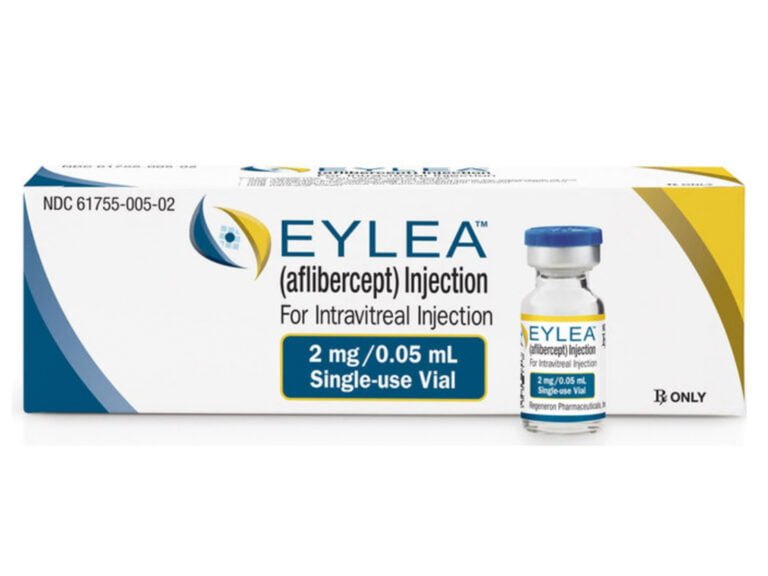
After Eylea or another intravitreal injection, follow the instructions for the medicine and eye that were actually treated. Know the expected symptoms, warning signs and next appointment before leaving the service.
Key points
- Keep the medicine name, injection date and eye recorded.
- A patch of surface blood is different from worsening pain or loss of vision.
- Treatment may need repeat scans and injections.
On this page
Ask what symptoms to expect
The service should explain temporary irritation, floaters or surface redness that may occur. A small red patch alone can have a different significance from a painful eye with reduced sight, but a remote description cannot establish what is happening in your particular eye. [1]
Warning symptoms after an injection
Increasing pain, a substantial reduction in vision or worsening redness requires prompt clinical advice and assessment. Get the urgent contact details in writing. Do not wait for a social-media reply or a planned trip if serious symptoms develop.
Use the clinic’s aftercare instructions
Ask about eye hygiene, activity and any drops that have actually been prescribed. Do not add an antibiotic or other treatment on your own. Tell the service if you have difficulty following the instructions or obtaining the medicine.
Keep the next review
One injection may not complete the treatment. Ask when the retina and OCT scan will be reviewed and how any further injections can be arranged after you return home. If the product is changed, the treating clinician should explain the reason and the plan. [2]
Your visit to Shiraz
Start with the eye-specialist directory and the appointment planning guide. Confirm the clinician, exact location, proposed tests and reviews before making travel arrangements.
For costs, request an itemised written quote identifying the eye or eyes, procedure or medicine, facility fees and follow-up. The costs guide explains what to compare. Accommodation, interpretation and transfers should be confirmed separately.
Common questions
Is every red eye after injection harmless?
No. Pain, worsening redness or reduced vision needs prompt assessment. Follow the service’s warning instructions.
Can I switch to a cheaper injection myself?
No. The clinician must assess the product, indication and treatment history.
Related eye-care guides
Sources
[1] Cambridge University Hospitals: Intravitreal injection of anti-VEGF · ↑ Back to text
[2] Guy’s and St Thomas’: Eye injections · ↑ Back to text
English editorial adaptation: 26 October 2026. General information for planning and discussion; follow the treating team’s individual instructions.