Read the practical considerations around what to eat after tummy tuck?, with individual preparation and recovery decisions confirmed by your treating team.
Key points
- Discuss your individual suitability, alternatives and risks with the treating clinician.
- Ask for written preparation and recovery instructions, including your medicines and follow-up.
- Confirm the healthcare facility, full costs and arrangements before booking travel.
On this page
Any surgical procedure in general, and a tummy tuck — also known as abdominoplasty — in particular, needs important considerations for a fast recovery and a low risk of complications.
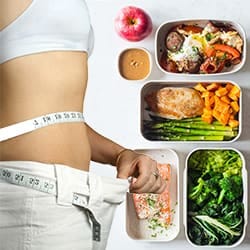
A person who undergoes a tummy tuck, in addition to a list of foods physicians recommend to eat before the operation, will need a systematic post-surgery diet as it plays an important role in the healing process, having a direct impact on the tissue reconstruction and regeneration as well as the recovery process, in general.
By following a special post-operative diet after a tummy tuck surgery, patients can reduce the side effects of their abdominoplasty.
The post-tummy tuck diet is a list of foods doctors recommend patients to eat during the first week following the surgery.
What foods to avoid after tummy tuck
Processed foods: promote inflammation. Patients should avoid eating processed foods, especially carbohydrates like bread, rice, and cereal.
Fat: “Fat is the enemy!” Yes, keep this in mind. You have undergone tummy tuck only to get rid of your fats; if you expect a promising result, you should accept the limitations in your diet and take a different lifestyle with exercise and nutritional considerations on the top.
“Not all fat is bad!” Keep this in mind, too. Bad fat is saturated fat that is solid at room temperature and is found in most animal products, as well as fried and processed foods.
Just because you have got rid of fat deposits does not mean that all types of fats are bad. A healthy amount of good fat is essential for your health. The sources of good fat are olive oil, fruits like avocados, nuts, and grains.
A post-op diet does not limit or cut delicious foods, but only creates a healthy lifestyle through restraining unhealthy foods and encouraging healthy and nutritious foods. Therefore, it is important to follow certain dietary guidelines after your abdominoplasty and control your daily intake of calories, fat, sugar, salt, etc.
What foods to eat after tummy tuck
The key here is to focus on low fat, or lean proteins and make that the foundation of your post-surgery diet.
Drinking plenty of water after tummy tuck surgery helps the body heal faster.
After the patient regains complete consciousness after surgery, and in the absence of nausea and vomiting, it is possible to use liquids such as water and juice.
If you keep your body dehydrated, essential nutrients will face problems being transmitted to the surgical site.
Loss of water, as well as low-fiber diet and narcotic pain medications, cause constipation and this, in turn, would lead to abdominal pain. Include foods that are high in fiber in your post-op diet and drink ample amounts of fluid to avoid constipation.
Plain water, light tea, fruit juice, and soups made from fresh and lean meat are recommended for post-op tummy tuck diet.
Carbohydrates help restore body strength and help with quick recovery. They prevent muscle loss and stimulates rejuvenation process. Whole grains, brown rice, oatmeal, etc., are good sources of healthy carbohydrates.
Vitamin A is found in eggs, dairy, and cod liver oil. Vitamin C is found in citrus, tomatoes, strawberries, and leafy greens.
Protein is a key factor in building new cells and structures efficiently throughout the entire healing process. It is found in eggs, lean meats, lean fish, beans, nuts, seeds, dairy products like yogurt, etc.
Post abdominoplasty medications
Medications must be taken only with the doctor’s approval.
Following the post-tummy tuck diet rigorously can help you heal faster from your surgery and can certainly help you build stronger muscles to promote the good work your abdominoplasty began.
This article only provides patients with a general approach to diet and medication in the post-surgery period. You, as a patient, should never attempt to self-prescribe post-surgery healing supplements because they could interfere with your recovery. Consult your physician to determine the appropriate diet for your recovery.
A practical point for your care
Before an operation, the pre-assessment team should review your health, previous tests and all medicines and supplements. Ask for written instructions on medicines, eating, drinking and aftercare that apply to your planned procedure.[1]
Plan your next step
Read the patient travel guides · Contact SanaMedTour
Sources
[1] NHS: Preparing for surgery — supports the individual-care planning note above. ↑ Back to text
Editorial adaptation: 25 October 2026. General information for planning and discussion; your clinician’s individual instructions take priority.